Understanding Bed Bugs and Their Behavior
Bed bugs have become a prevalent concern across households and accommodations in recent years. These nocturnal pests are notoriously challenging to detect and eliminate, leading to frustration for homeowners and renters alike. Milwaukee residents, in particular, may find themselves grappling with these uninvited guests as they infest homes, hotels, and other communal living spaces. With an expert understanding of bed bug behavior, you can better arm yourself against these pests. When exploring options, bed bug treatment solutions are essential for effective extermination.
What are Bed Bugs?
Bed bugs, scientifically known as Cimex lectularius, are small, blood-feeding insects that typically thrive in environments close to human habitation. Adult bed bugs are roughly the size of an apple seed, about 5-7 mm long, and are characterized by their flat, oval shape, reddish-brown color, and lack of wings. They are experts at hiding, often finding refuge in cracks, crevices, and seams of mattresses and furniture. Understanding the biology and lifecycle of bed bugs is vital when addressing infestations, as they can rapidly reproduce and establish large populations in a short timeframe.
How Bed Bugs Travel and Infest
Bed bugs are exceptional hitchhikers, often traveling from one location to another through infested luggage, clothing, second-hand furniture, or bedding. They can easily navigate their way through hotel rooms or shared living environments, making them difficult to avoid. Their ability to survive for several months without feeding allows them to lie in wait until they find a food source. Most commonly, they will bite during the night, feeding off their unsuspecting hosts while they sleep.
Signs of a Bed Bug Infestation
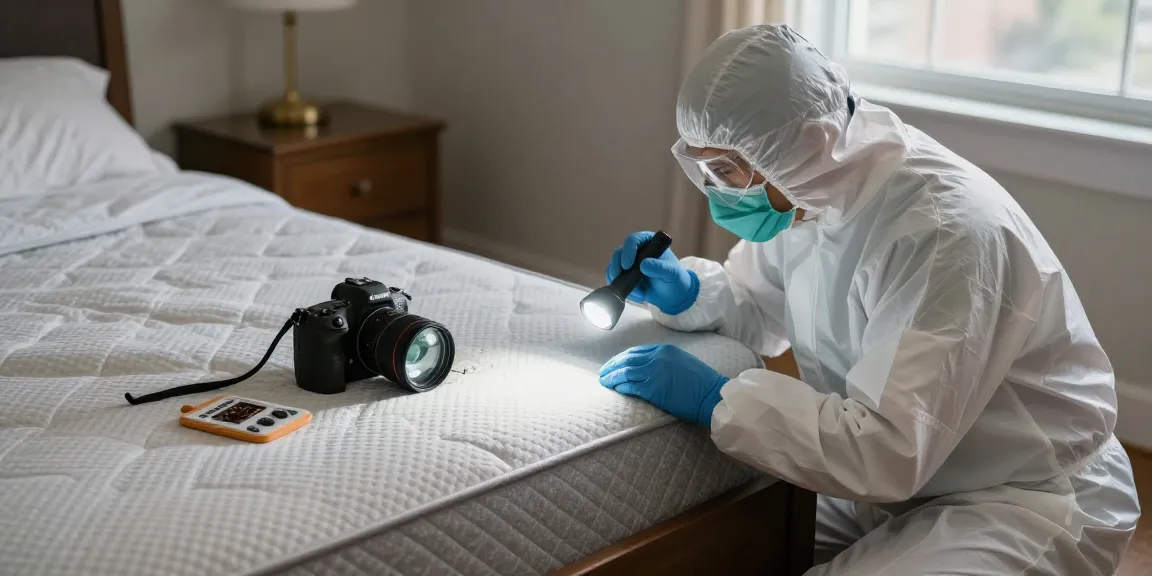
Detecting a bed bug infestation early is essential for effective treatment. Key indicators include:
- Itchy red welts on the skin, often in clusters or lines.
- Small bloodstains on sheets or mattresses, indicative of crushed bugs.
- Dark spots or stains on bedding, which are bed bug droppings.
- Presence of shed exoskeletons, as bed bugs molt during their growth stages.
If you notice any of these signs, it’s crucial to act promptly by contacting professionals to assess the situation.
Effective Bed Bug Treatment Options
When facing a bed bug infestation, employing the right treatment methods is essential for thorough extermination. Various options exist, from professional interventions to eco-friendly solutions. Understanding these treatments can empower you to make informed decisions about protecting your home.
Professional Chemical Treatments
Chemical treatments are a widely used approach to managing bed bugs. Professional pest control services deploy commercial-grade insecticides designed to target bed bugs at all lifecycle stages, including larvae and eggs. It’s vital to follow through on preparations to ensure optimal results, as these products require proper application and sometimes specific living conditions to be most effective.
Eco-Friendly Heat Treatment
Heat treatment is an increasingly popular method for exterminating bed bugs without the use of chemicals. This eco-friendly approach involves raising the temperature of infested areas to levels that are lethal to bed bugs. For instance, an effective heat treatment usually reaches 120°F (49°C) for a sustained period, ensuring that all life stages are eradicated. Not only does this method eliminate pests, but it also minimizes the need for chemical exposure, which is particularly advantageous for households with children or pets.
Limitations of DIY Solutions
While some homeowners may consider DIY solutions for bed bug control, these often lack the effectiveness required to eliminate a full infestation. Products such as sprays may kill individual bugs but do not penetrate the many hiding spots that bed bugs utilize. Therefore, seeking professional treatment is typically the more efficient and safer alternative.
Preparing Your Home for Bed Bug Treatment
Before a professional treatment takes place, homeowners should undertake specific preparations to improve the likelihood of successful extermination. Here are the steps to take:
Steps to Take Before Extermination
- Declutter the treated areas to provide pest control technicians ample access.
- Launder all bedding, clothing, and fabrics in hot water and dry them on high heat.
- Vacuum thoroughly to remove visible bugs and eggs.
- Consider sealing items in plastic bags to contain any potential spread during treatment.
What to Expect During Treatment
During the treatment process, professionals will assess the extent of the infestation and determine the most effective method for extermination. Treatments can take several hours, depending on the level of infestation and the chosen approach. Pest control specialists will likely provide guidance on evacuating your home during treatment to ensure safety and effectiveness.
Post-Treatment Maintenance Tips
After treatment, maintaining vigilance is crucial. Here are some tips to help prevent re-infestation:
- Regularly inspect furniture and bedding for signs of bed bugs.
- Continue to vacuum frequently, especially in areas that are commonly used.
- Utilize mattress encasements to cover mattresses and box springs.
- Remain cautious with second-hand items before bringing them into your home.
Case Studies: Real-World Success Stories
Our expertise extends beyond typical extermination services, as we pride ourselves on delivering proven results. Here are some case studies that highlight our success:
Before and After: A Recent Case Analysis
In a recent case, a family in Milwaukee suspected they had a bed bug infestation based on bite marks and visual signs on their bed. After contacting Affordable Bed Bug Exterminators, a thorough heat treatment was performed along with a series of follow-up inspections. The results were remarkable, eliminating the infestation and restoring peace of mind to the family.
Testimonials from Satisfied Clients
Client feedback plays a vital role in our reputation. Many have expressed satisfaction with our services, noting not only the effectiveness but also the professionalism of our team. One client remarked, “The technicians were prompt, educational, and respectful of my home – I can’t thank them enough for a job well done!”
Quantifiable Results from Our Treatments
Our treatments come with measurable success rates. For instance, in a study of 50 homes treated in a single month, 85% showed no signs of bed bugs 90 days post-treatment, affirming our commitment to excellent service.
Preventing Future Infestations
Once you tackle an infestation, continuing good practices can help prevent future occurrences. Here are strategies to keep your home bed bug-free:
Best Practices for Bed Bug Prevention
- Regularly wash and dry bedding and curtains on high heat.
- Inspect second-hand goods before bringing them into your home.
- Seal any cracks or crevices in your home to eliminate potential hiding spots.
- Utilize bed bug monitors to catch potential issues early.
What to Do When Traveling
Traveling poses a risk of bringing bed bugs home. To avoid this, always inspect hotel rooms upon arrival and keep luggage elevated from the floor. When returning home, wash clothes immediately and carefully inspect your belongings for any signs of bed bugs.
Monitoring and Maintenance Strategies
Establishing a routine of monitoring for bed bugs can save homeowners from future headaches. Regular inspections, especially after travel or acquiring new items, are essential.
How to Identify Bed Bug Bites?
Bed bug bites are often painless and may go unnoticed until symptoms appear, typically as itchy welts. These bites are usually clustered, appearing in straight lines on exposed skin areas.
What are the Costs of Professional Bed Bug Treatments?
The cost of professional treatments can vary widely, depending on the level of infestation, location, and chosen extermination methods. Homeowners often find that investing in quality services pays off through effective and lasting results.
How Long Does Bed Bug Treatment Take?
The duration of bed bug treatment can vary based on factors like the method employed and the extent of the infestation. While chemical sprays may require several applications over weeks, heat treatments might provide results within a day.
Can Bed Bugs Reappear After Treatment?
While professional treatments are effective, re-infestation can occur if new bed bugs are introduced or if some were missed during treatment. Regular vigilance is necessary to maintain a pest-free home.
What Should I Do if I See a Bed Bug?
If you spot a bed bug, document the sighting and contact a professional exterminator as soon as possible. Quick action can prevent a small problem from escalating into a serious infestation.
What DIY Treatments are Effective?
While there are countless DIY products available, effectiveness can vary. If you opt for DIY solutions, ensure they are designed specifically for bed bugs and meticulously follow the instructions provided. However, for serious infestations, professional treatments remain the most reliable option.