Understanding the Role of a New York General Contractor
Defining Responsibilities and Expertise
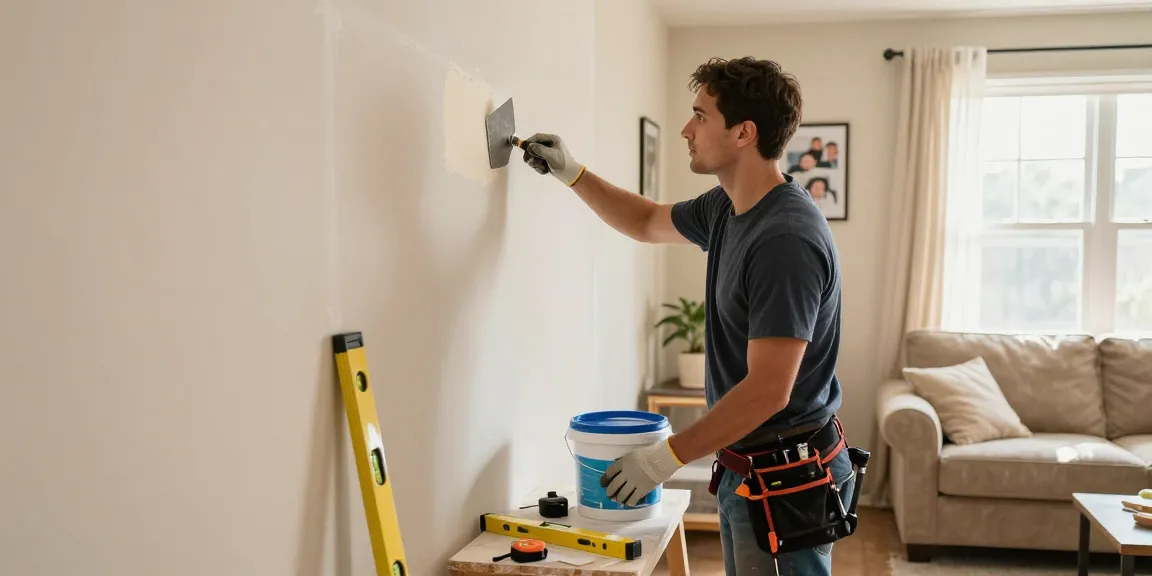
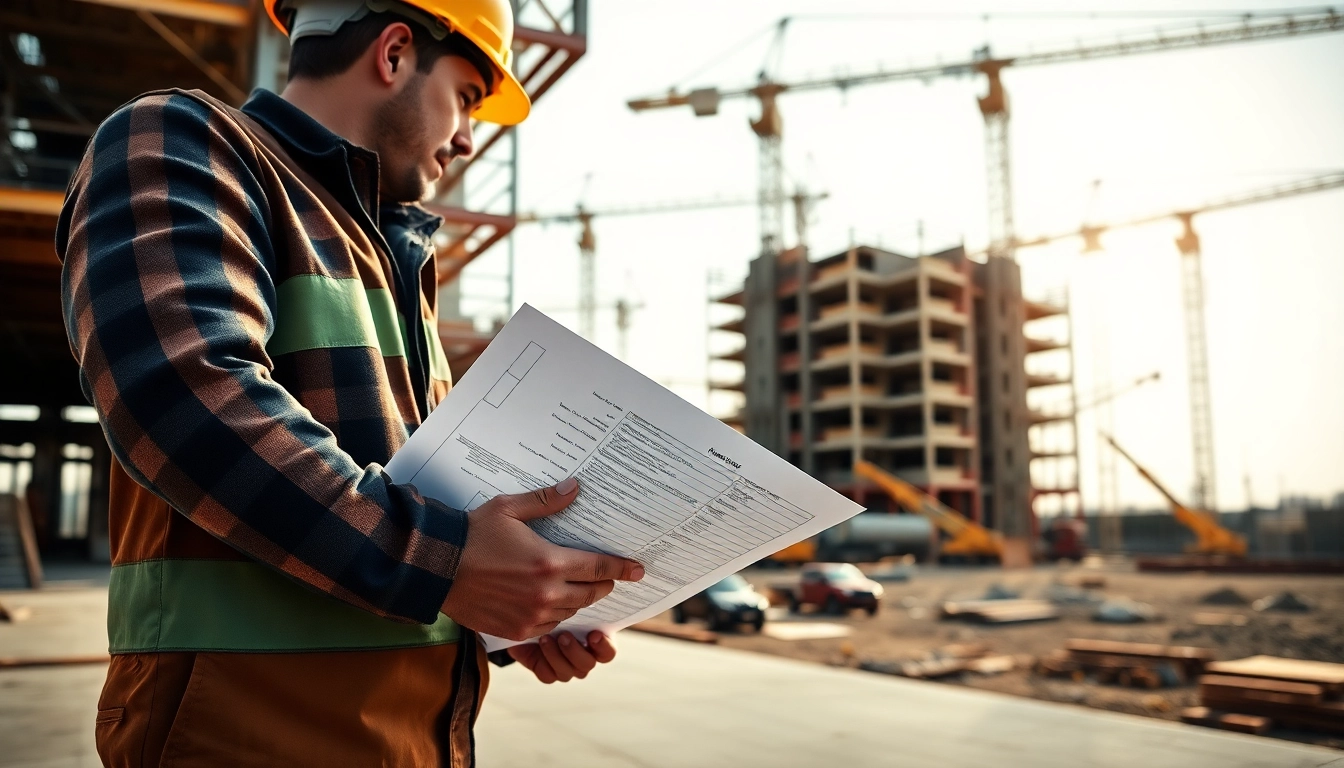
In the bustling environment of New York, a New York General Contractor serves as the primary authority responsible for overseeing construction and renovation projects. Their expertise transcends simple task management; these professionals are pivotal in interpreting blueprints, securing permits, and ensuring compliance with local building regulations. Their role goes beyond mere execution; they are skilled negotiators, adept at aligning the needs of clients with the practicalities of construction logistics.
The Importance of Project Management
Project management is at the heart of a general contractor’s responsibilities. Each project, whether it’s a skyscraper or a residential renovation, requires meticulous planning, scheduling, and budgeting. The contractor coordinates timelines, ensuring that every phase aligns with the project goals. Mastering this aspect not only ensures an efficient build process but also fosters a collaborative environment among various stakeholders—including architects, clients, and subcontractors.
Collaboration with Subcontractors
A general contractor’s success is intrinsically linked to their ability to foster relationships with subcontractors. These relationships are critical, as subcontractors specialize in various trades such as plumbing, electrical work, and carpentry. The contractor must vet these professionals, ensure they operate within budget constraints, and manage their workflow to maintain project continuity. A synergistic relationship between the contractor and subcontractors can lead to enhanced quality outcomes and streamlined operations.
Choosing the Right New York General Contractor for Your Project
Evaluating Experience and Credentials
When it comes to selecting a general contractor, experience is a paramount factor. Engaging an established contractor who is familiar with New York’s complex regulations can save you from future hassles. Look for certifications and licenses that reflect their qualifications. A contractor with ample experience in similar projects is better equipped to address potential challenges effectively. Investigating their background can provide insights into their problem-solving skills and adaptability, essential traits in the dynamic construction landscape.
Assessing Past Projects and Client Testimonials
Before making your decision, review the contractor’s portfolio thoroughly. Past projects serve as evidence of their capabilities. Additionally, client testimonials offer valuable information about their work ethic, reliability, and responsiveness. Engaging with former clients can provide insight into the contractor’s ability to meet deadlines, manage budgets, and overall satisfaction levels. Don’t hesitate to compare multiple contractors to gauge the best fit for your needs.
Understanding Pricing Structures and Contracts
Understanding pricing models—whether fixed, cost-plus, or time and materials—is crucial in selecting your contractor. Each model comes with its advantages and potential risks. It is vital to discuss payment schedules, contingencies, and how additional costs will be handled upfront. Delving into the details of contractual agreements can prevent misunderstandings later on. A well-defined contract acts as a roadmap for the project, outlining responsibilities, timelines, and payment milestones.
Best Practices for Working with a New York General Contractor
Effective Communication Strategies
Clear communication is the bedrock of a successful relationship with your general contractor. Regular updates and meetings allow both parties to stay aligned. Establish communication channels—be it emails, project management software, or face-to-face meetings—to facilitate easy information exchange. Setting expectations from the outset will help mitigate conflicts and keep the project moving smoothly.
Establishing Clear Project Timelines
Timelines serve as crucial benchmarks for project progress. Work closely with your contractor to define a realistic and achievable schedule that accounts for all phases of construction. Regularly revisiting and adjusting these timelines can help maintain momentum and ensure all deadlines are respected. Setting manageable milestones keeps everyone focused and motivated throughout the project.
Handling Changes and Unexpected Challenges
Construction projects are notorious for unexpected changes. Whether it’s a design modification or an unforeseen structural issue, having a protocol in place to handle these developments is crucial. Your general contractor should be adept at navigating these changes and proposing solutions that minimize disruptions. Open discussions about any changes and their implications on the budget and timeline foster trust and collaboration.
Common Challenges Faced by New York General Contractors
Managing Budget Constraints
Budget management is a constant challenge within the construction industry. A good general contractor must skillfully allocate resources, negotiate prices, and uphold financial accountability to prevent budget overruns. Collaboration with clients to set realistic budgets that include contingencies for unforeseen expenses is essential. Prioritizing transparency in financial matters helps maintain the trust vital for long-term success.
Navigating Local Regulations and Permits
New York is known for its stringent building regulations and numerous permit requirements. Navigating this complex landscape can be daunting but is vital for legal compliance and project longevity. A competent general contractor will have thorough knowledge of these regulations and will ensure that all necessary permits are secured before construction begins. Understanding the local landscape is paramount to avoid costly project delays from regulatory issues.
Dealing with Weather-Related Delays
Weather can greatly impact construction timelines. A reputable general contractor should proactively plan for seasonal impacts, allowing for potential delays in the project schedule. Incorporating flexible timelines and alternative solutions in the project plan can help mitigate these risks. Effective communication with all stakeholders during adverse weather conditions ensures that everyone is prepared and understands the implications of delays on project completion.
FAQs About Hiring a New York General Contractor
What Should I Look for in a Contractor?
Look for experience, references, communication skills, and a clear understanding of your project requirements. Ensure they are licensed and insured to protect yourself from potential liabilities.
How Do Contracts Typically Work?
Contracts outline the scope of work, payment schedules, timelines, and responsibilities. Ensure all aspects are clearly defined and agreed upon to avoid disputes later in the project.
What Is the Average Timeline for a Project?
Project timelines vary based on complexity and size, but a typical residential renovation can range from a few weeks to several months. Consult your contractor for a more precise estimate tailored to your specific needs.
How Can I Ensure Quality Work?
Conduct research on previous projects, ask for references, and remain involved throughout the process. Regular site visits and communication can help ensure standards are met.
What Are Common Costs to Expect?
Common costs include labor, materials, permits, and fees. Request a detailed estimate from your contractor to understand projected expenses and any possible contingencies.