Understanding the Role of a New Jersey General Contractor
Defining the New Jersey General Contractor’s Responsibilities
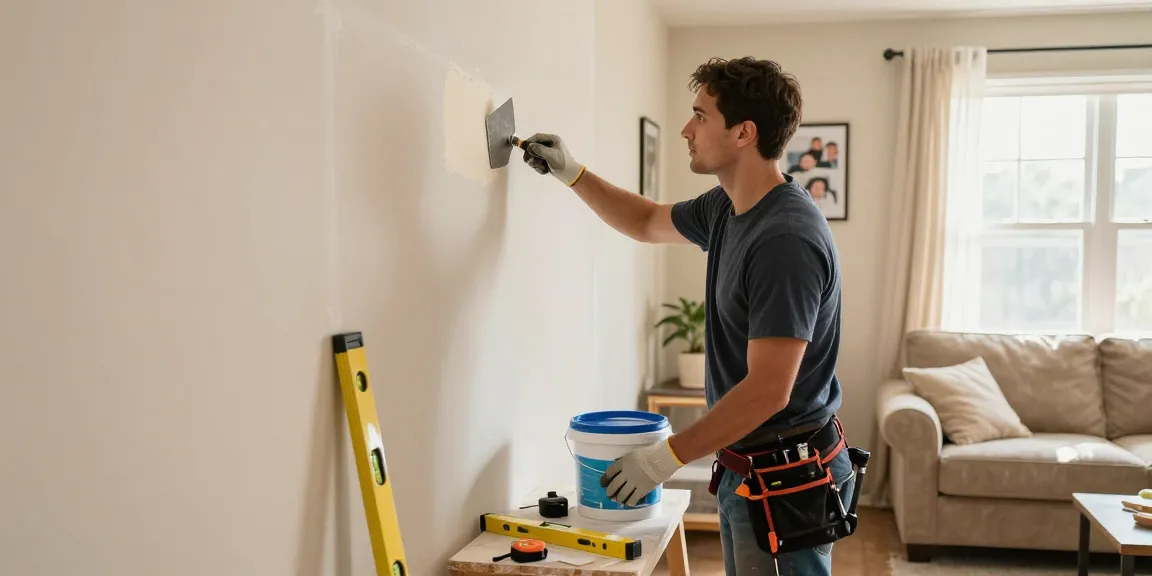
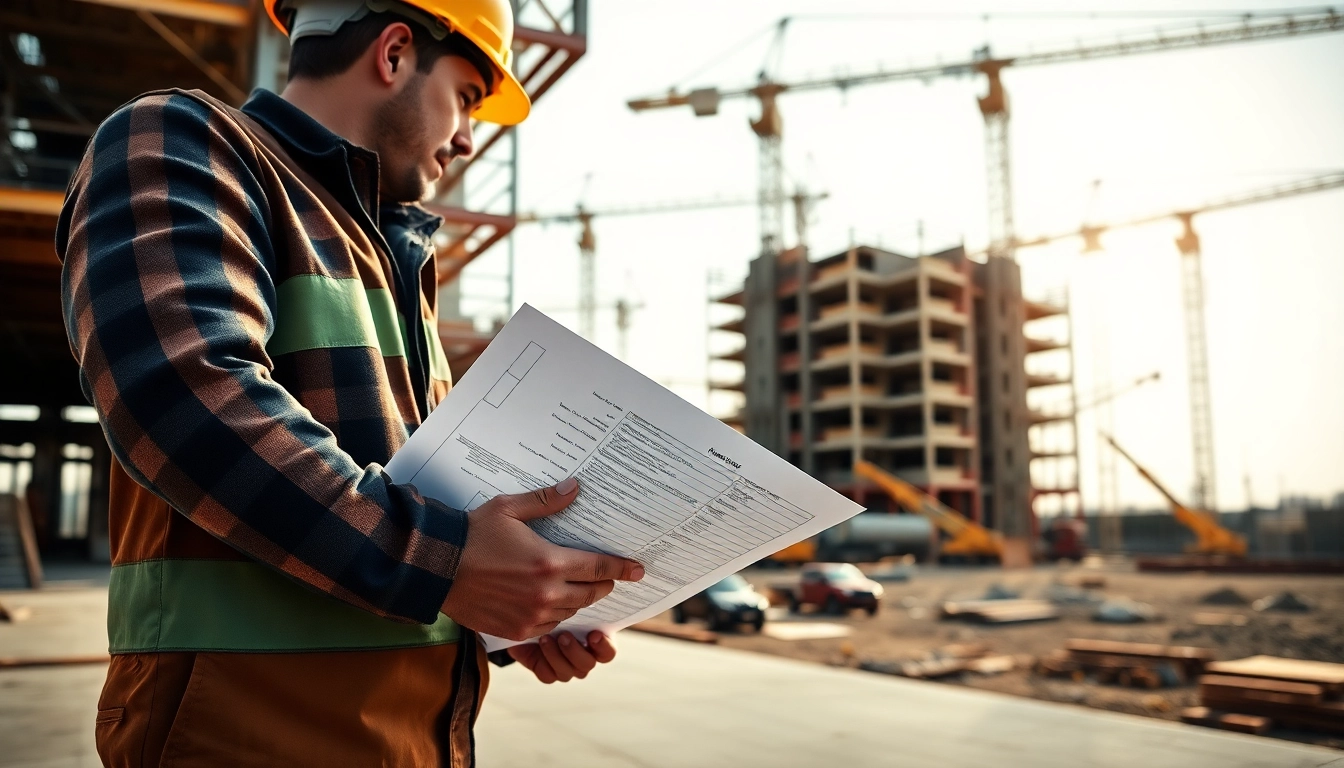
A New Jersey General Contractor plays a pivotal role in the construction process, acting as the primary point of contact for both homeowners and subcontractors. Their responsibilities extend from project initiation to completion and often include managing budgets, timelines, and quality assurance. A general contractor will orchestrate the construction schedule by hiring subcontractors for specialized tasks such as plumbing and electrical work while ensuring adherence to building codes and safety regulations.
Key Skills of a Successful New Jersey General Contractor
To thrive as a New Jersey General Contractor, a professional must possess a blend of technical, managerial, and interpersonal skills. Key abilities include:
- Project Management: Effectively oversee all aspects of the construction project from start to finish.
- Budgeting Proficiency: Create and manage project budgets, accounting for all expenditures.
- Communication Skills: Maintain clear and open lines of communication with clients, subcontractors, and suppliers.
- Problem-Solving: Quickly address issues that may arise during the construction process.
- Knowledge of Building Codes: Ensure all work complies with local regulations.
Importance of Local Knowledge in New Jersey Construction
Local expertise is vital for a New Jersey General Contractor, as construction norms and regulations can vary significantly from one municipality to another. Understanding local zoning laws, building codes, and environmental regulations can drastically affect project timelines and costs. Moreover, a good contractor will have established relationships with local inspectors and suppliers, ensuring smoother project execution and potentially lower material costs.
How to Choose the Right New Jersey General Contractor
Assessing Qualifications and Experience of New Jersey General Contractors
Choosing the right contractor involves evaluating their qualifications and experience. Look for a general contractor who possesses a valid New Jersey state license, has industry certifications, and an impressive portfolio of completed projects. Experience is crucial; a seasoned contractor is likely to have encountered and overcome various challenges, making them better equipped to manage your project efficiently.
Checking References and Past Projects
Before selecting a New Jersey General Contractor, it is essential to conduct thorough references and past project checks. Reach out to previous clients to inquire about their experiences; ask about the contractor’s reliability, work quality, and ability to stay within budget and timelines. Reviewing their portfolio can help you gauge their ability to execute projects similar to yours.
Understanding Contracts and Pricing Models
Contracts form the backbone of any construction project; a clear and comprehensive contract can prevent misunderstandings. When engaging with a New Jersey General Contractor, ensure the contract delineates the scope of work, payment schedules, materials to be used, and timelines. Familiarize yourself with different pricing models—fixed-price contracts, cost-plus contracts, and time and materials contracts—to determine what aligns best with your project’s needs.
Challenges Faced by New Jersey General Contractors
Weather-Related Delays in New Jersey
New Jersey is known for its unpredictable weather, which can pose significant challenges for construction projects. Rain, snow, or extreme heat can halt work and delay project timelines. A proficient general contractor will incorporate weather contingencies into their planning, utilizing strategies such as scheduling buffer days or securing indoor workspaces to mitigate these delays.
Regulatory Challenges and Permitting Processes
Navigating the regulatory landscape is a considerable challenge for New Jersey General Contractors. Each municipality has its own permitting processes which can be time-consuming. A knowledgeable contractor will have the expertise to secure necessary permits efficiently, understanding what is required for various projects and ensuring compliance to avoid penalties or project halts.
Managing Client Expectations Effectively
Clients often have high expectations regarding timelines, budgets, and quality. To manage these effectively, a general contractor must communicate transparently. Regular updates and discussions about potential issues help align expectations, allowing for adjustments to be made proactively. A contractor’s ability to manage expectations can greatly affect client satisfaction and the overall success of the project.
Best Practices for Working with Your New Jersey General Contractor
Establishing Clear Communication Channels
Effective communication is the cornerstone of successful contractor-client relationships. Both parties should establish preferred methods of communication early on—whether via email, phone calls, or project management tools. Regular check-ins help facilitate questions and clarifications, ensuring everyone stays informed and aligned throughout the project.
Setting Realistic Timelines and Deliverables
Setting realistic timelines is crucial for project success. A New Jersey General Contractor should be able to provide an accurate timeline based on their experience and the project particulars. As a client, collaborating with the contractor to agree on deliverables helps set achievable goals and prevents frustration later on if timelines need adjustment.
Regular Updates and Site Meetings
Regular updates and site meetings are vital for coordinating work and addressing any arising issues promptly. Scheduling periodic meetings can provide both you and your contractor the opportunity to discuss progress, address challenges, and make necessary adjustments to ensure the project remains on track.
FAQs about New Jersey General Contractors
What certifications should a New Jersey General Contractor have?
A good contractor should have state licensing, insurance, and relevant certifications that ensure they meet local regulations.
How do I verify a contractor’s reputation?
Check online reviews, ask for references, and look at past project portfolios to gauge their reputation and reliability.
What is the typical timeline for a construction project?
Timelines vary based on project scope, but a detailed plan can help estimate completion dates. Regular updates with your contractor are essential.
What should be included in a contract with a New Jersey General Contractor?
A contract should include project scope, payment terms, timelines, and cancellation policies. Ensure all verbal agreements are documented.
How do I handle disputes with my contractor?
Start with direct communication to resolve the issue. If unresolved, consider mediation or consult legal advice for more serious disputes.
Engaging with a New Jersey General Contractor ensures you have a qualified professional managing your construction projects. From understanding their role, checking qualifications, to fostering effective communication, every step is crucial in achieving a seamless building experience.