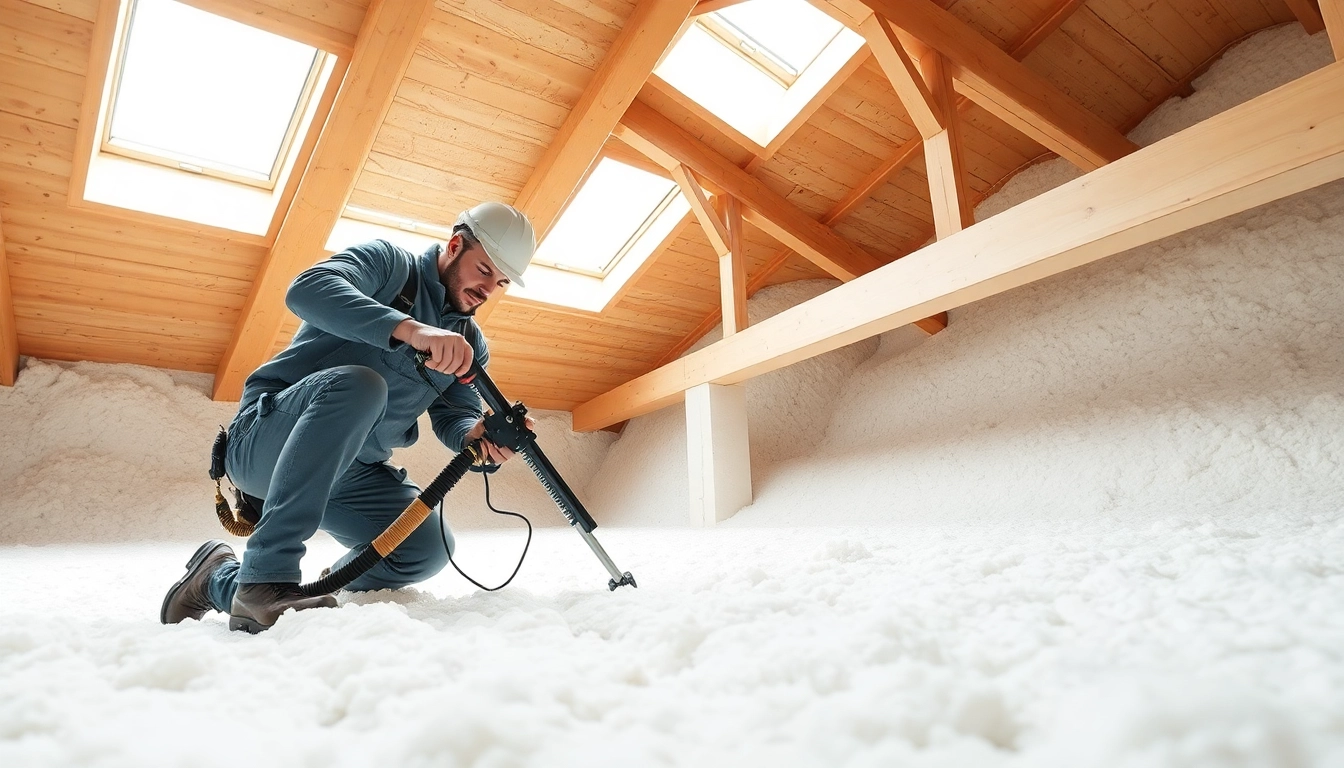
Understanding Spray Foam Insulation
What is Spray Foam Insulation?
Spray foam insulation is a type of insulation material applied as a spray. It expands upon application, filling gaps and creating a seal that insulates against heat transfer. This insulation type primarily consists of two components: isocyanate and polyol resin. When combined, these substances react chemically to form a rigid foam that adheres to various surfaces. The best part about spray foam insulation is its versatility; it can be used in walls, roofs, and attics to enhance energy efficiency.
Benefits and Drawbacks of Spray Foam
Among the key benefits of spray foam insulation is its superior insulation performance. The foam expands to fill every nook and cranny, effectively sealing air leaks and preventing drafts. This can lead to significant energy savings and improved thermal comfort. Additionally, spray foam insulation has excellent moisture control properties, which helps to combat mold and mildew.
However, there are some drawbacks to consider. The installation process can be more costly compared to traditional insulation materials. Furthermore, some types of spray foam contain chemicals which may emit volatile organic compounds (VOCs) during application, making proper ventilation necessary. It’s crucial for homeowners to weigh these pros and cons before deciding on spray foam insulation.
Common Uses of Spray Foam in Lofts
Spray foam insulation is often particularly beneficial in loft spaces. It can significantly improve the overall insulation of these areas, which are notorious for temperature fluctuations and energy inefficiency. In lofts, spray foam can be used to insulate the roof, walls, and even floors if needed. By creating a continuous thermal barrier, it helps maintain stable temperatures, reduce heating and cooling costs, and prevent moisture problems.
Signs You Need Spray Foam Loft Removal
Identifying Damage to Insulation
Over time, spray foam insulation can become damaged due to various factors, including settling, physical impact, or exposure to high moisture levels. Signs of damage may include visible cracks, areas where the foam has pulled away from surfaces, or a noticeable change in your home’s energy efficiency. Regular inspections can help identify these issues before they escalate, highlighting the importance of maintaining your insulation.
Detecting Moisture Issues in Lofts
Moisture issues in lofts can manifest in several ways, including signs of mold growth, a musty odor, or visible water stains on walls and ceilings. Spray foam insulation is designed to manage moisture; however, if water infiltration occurs, it can lead to trapped moisture within the foam. If you notice these signs, it’s essential to address the moisture source and consider spray foam loft removal to prevent further damage.
When to Consult a Professional
If you notice signs indicating the need for spray foam loft removal, it’s often advisable to consult a professional. Experts can assess the condition of the insulation and determine the best course of action. Factors such as the extent of the damage, the presence of moisture, and the type of spray foam used all play a role in deciding on professional intervention.
Step-by-Step Guide to Spray Foam Loft Removal
Preparation and Safety Measures
Before initiating the removal of spray foam insulation, proper preparation and safety measures are essential. Begin by wearing appropriate personal protective equipment, including goggles, gloves, and a respirator mask to protect against dust and any potentially harmful particles. Additionally, ensure the area is well-ventilated to minimize exposure to any fumes released during the removal process.
Tools and Equipment Needed
To effectively remove spray foam insulation, you’ll need the right tools. A utility knife or insulation saw is necessary for cutting the foam. Additionally, a scraper or pry bar can help in lifting and removing the foam from surfaces. Safety equipment, like gloves and goggles, are important for personal protection, while a vacuum may be helpful in cleaning up remnants and debris post-removal.
Actual Removal Techniques
The actual removal of spray foam insulation involves a few key steps. Begin by cutting the foam into manageable pieces using the utility knife. Work carefully to minimize damage to the underlying surface. Once the foam is cut, gently pry it away using a scraper. Be mindful of the potential for lingering dust or debris; utilizing a vacuum can help ensure a clean workspace.
Post-Removal Considerations
Inspections and Repairs After Removal
After spray foam insulation is removed, it’s crucial to inspect the underlying surfaces for any damage. Look for signs of moisture, mold, or structural integrity concerns. Any issues identified should be addressed before replacement insulation is installed. This preventative measure ensures that future insulation will be effective and that moisture problems do not recur.
Types of Replacement Insulation
When considering replacement insulation after spray foam loft removal, there are several options. Fiberglass batts, cellulose insulation, and reflectively insulated panels are popular choices. Each type offers its own set of benefits, with varying levels of thermal resistance and moisture control. Consulting with an insulation professional can help determine the best material suited for your loft’s specific needs.
Preventing Future Issues
To prevent future issues after replacing insulation, maintaining proper ventilation in the loft is essential. Wet or humid conditions can compromise insulation effectiveness and lead to mold growth. Additionally, regularly inspecting your loft for any signs of moisture or damage can help catch problems early, ensuring the longevity and performance of your insulation.
Frequently Asked Questions
How is spray foam insulation removed?
Spray foam insulation is typically removed using a utility knife to cut the foam into manageable pieces and a scraper for lifting it from surfaces. Safety gear should always be worn during the process.
Can I remove spray foam insulation myself?
While it is possible to remove spray foam insulation yourself, hiring a professional is often advisable, especially for difficult cases involving moisture or significant damage.
What should I do after removal?
After removal, inspect the underlying surfaces for damage, address any moisture issues, and consider replacing the insulation with a suitable alternative to ensure efficiency.
How much does spray foam loft removal cost?
The cost of spray foam loft removal can vary widely based on factors such as the size of the loft, the extent of the insulation, and whether professional services are utilized.
Are there eco-friendly insulation options?
Yes, there are eco-friendly insulation options available, like cellulose made from recycled paper, and sheep wool, which offers natural moisture regulation and thermal properties.