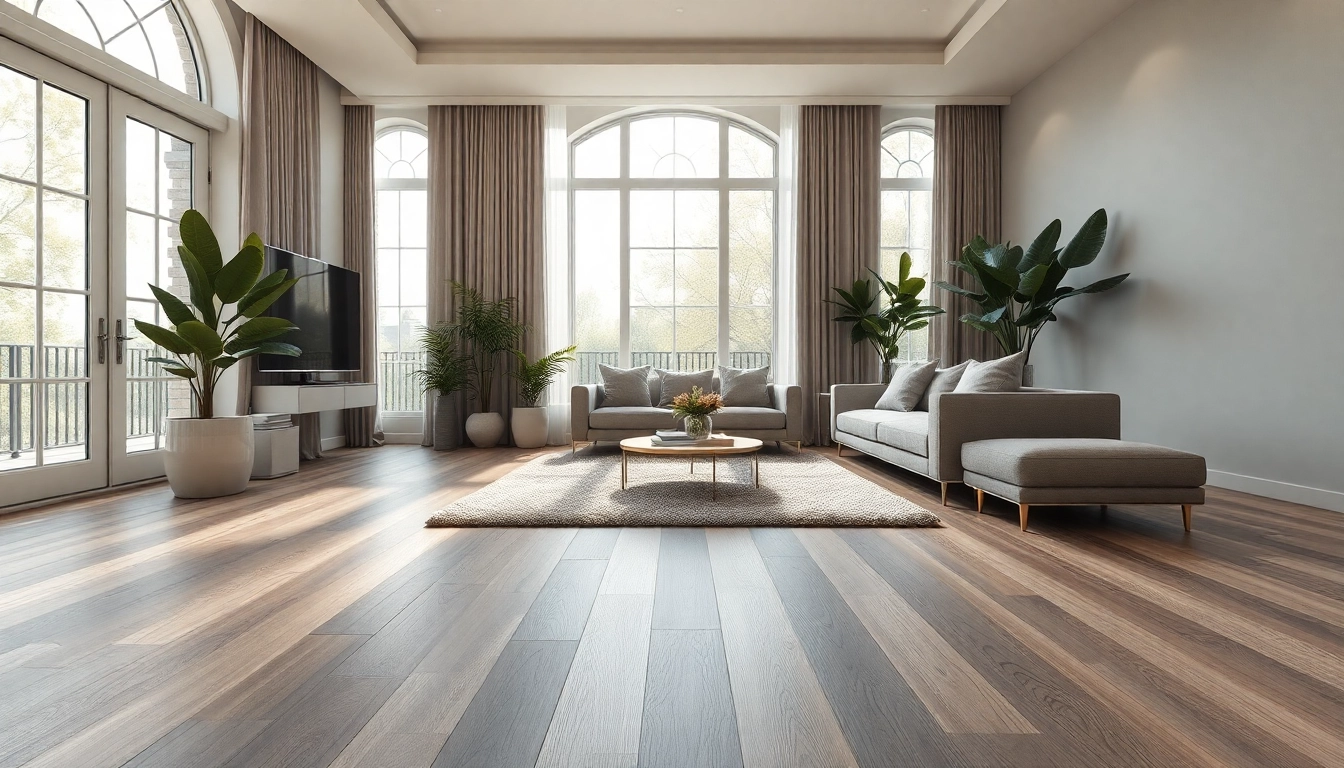
Understanding LVP Floors and Their Benefits
What Are LVP Floors?
Luxury Vinyl Plank (LVP) floors are a versatile flooring solution designed to mimic the appearance of natural materials like hardwood or stone. Made from multiple layers, LVP is crafted using advanced manufacturing techniques that create realistic textures and visual effects while providing durability and resilience. Unlike traditional vinyl flooring, which was often less visually appealing and less durable, LVP floors offer an excellent aesthetic with superior functional properties.
Durability and Maintenance of LVP Floors
One of the standout features of lvp floors is their remarkable durability. They are constructed to withstand heavy foot traffic, making them an ideal choice for both residential and commercial spaces. The wear layer of LVP provides protection against scratches, dents, and stains. Additionally, maintenance is straightforward; regular sweeping and occasional mopping with a gentle cleaner ensure the floors remain in pristine condition.
Benefits of Using LVP Floors in Your Home
There are several compelling benefits to installing LVP floors in your home:
- Cost-Effectiveness: LVP floors often cost less than hardwood or tile but offer similar aesthetic appeal and durability.
- Water Resistance: Many LVP products boast a high level of water resistance, making them suitable for areas prone to moisture, including kitchens and bathrooms.
- Comfort: LVP floors tend to be softer underfoot compared to hard surfaces, providing comfort, especially for long periods of standing.
- Easy Installation: Many LVP products are designed for easy DIY installation with click-lock systems, eliminating the need for professional help in many cases.
Choosing the Right LVP Floors for Your Decor
Popular Styles of LVP Floors
The LVP flooring market offers an array of styles that cater to various design aesthetics. From rustic wood looks to luxurious stone finishes, popular styles include:
- Wood-Look Planks: Mimicking the knots and grains of natural wood
- Stone-Look Tiles: Ideal for a sophisticated, elegant touch in areas like entryways and bathrooms
- Textured Finishes: Enhancing the tactile experience alongside visual appeal
How to Match LVP Floors with Your Interior Style
When selecting LVP floors, it is essential to consider your existing decor and the mood you wish to evoke in your spaces. For a contemporary look, opt for sleek, light-colored planks or tiles; for a more traditional ambiance, rich, dark woods can provide warmth. Balance the floor color with your wall colors, furniture, and accessories to create a cohesive and inviting atmosphere.
Common Mistakes When Selecting LVP Floors
Even with the numerous advantages of LVP floors, it is crucial to avoid common pitfalls during the selection process:
- Overlooking Specifications: Failing to consider the thickness or wear layer can lead to dissatisfaction in durability and longevity.
- Ignoring Lighting: The look of the flooring can change significantly under different lighting conditions, so always test samples in the intended space.
- Not Considering Foot Traffic: Select a product suited for the volume of traffic your space experiences; residential options may not hold up in busy commercial areas.
Installation Process for LVP Floors
Tools Required for Installing LVP Floors
Before embarking on the installation of LVP floors, ensure you have the following tools on hand:
- Measuring tape
- Utility knife
- Carpenter’s square
- Underlayment (if required)
- Spacers
- Rubber mallet
- Pull bar and tapping block
Step-by-Step Guide to Installing LVP Floors
The installation of LVP floors generally follows these steps:
- Prepare the Subfloor: Ensure the subfloor is clean, dry, and level. Remove any old flooring if necessary.
- Acclimate the Flooring: Allow the LVP planks to acclimate in the room for at least 48 hours before installation.
- Install Underlayment: If your LVP requires it, lay down the underlayment to provide cushioning and sound absorption.
- Start Laying Planks: Begin in the corner of the room, laying the first plank parallel to the longest wall. Use spacers to maintain an expansion gap.
- Click and Lock: Continue laying additional planks using the click-lock method, ensuring each plank is securely in place.
- Trim and Finish: Once installed, trim any excessive material and install baseboards as needed.
Common Installation Challenges and Solutions
While installing LVP floors is generally straightforward, a few challenges may arise:
- Uneven Subfloor: Use a leveling compound to create a smooth surface before installation.
- Temperature and Humidity Issues: Ensure the installation area is within the manufacturer’s recommended temperature and humidity ranges to avoid expansion and contraction.
- Mismatched Planks: Inspect each plank before installation to prevent issues with color variation.
Caring for Your LVP Floors
Best Cleaning Practices for LVP Floors
To maintain the beauty and longevity of your LVP floors, follow these cleaning practices:
- Regularly sweep or vacuum to remove dust and debris.
- Mop using a damp mop and a pH-neutral cleaner specifically designed for vinyl flooring.
- Avoid using harsh chemicals, abrasive cleaners, or scrub brushes that could damage the surface.
How to Maintain the Longevity of LVP Floors
In addition to regular cleaning, consider these maintenance tips to prolong the life of your LVP floors:
- Use furniture pads under heavy furniture to prevent scratches.
- Address spills immediately to prevent staining.
- Implement a no-shoes policy in your home to reduce wear from outside debris.
Addressing Common Repairs and Concerns with LVP Floors
Despite their durability, LVP floors may require some repairs over time. Common issues include:
- Scratches: Use a vinyl floor repair kit to fill in and camouflage minor scratches.
- Loose Planks: Reinstall loose planks by resecuring them into the click-lock system or using adhesive if applicable.
- Stains: Most stains can be cleaned with warm water and soap; for stubborn stains, consult a manufacturer-approved cleaner.
Frequently Asked Questions About LVP Floors
How do LVP floors compare to hardwood?
LVP floors are more affordable and water-resistant than hardwood. They offer similar aesthetic appeal but require less maintenance and are warmer underfoot.
Can LVP floors be used in bathrooms and kitchens?
Yes, LVP floors are an excellent choice for bathrooms and kitchens due to their water resistance and ease of maintenance.
What is the average cost of lvp floors?
The average cost can range from $2 to $5 per square foot for materials, depending on the brand and style, not including installation.
Are lvp floors environmentally friendly?
Some LVP products are made with recycled materials and are free from harmful phthalates, making them a more environmentally conscious choice compared to traditional vinyl.
How can I install lvp floors myself?
With the right tools and a bit of research, you can install LVP floors yourself using the click-lock method; many brands provide detailed installation guides.