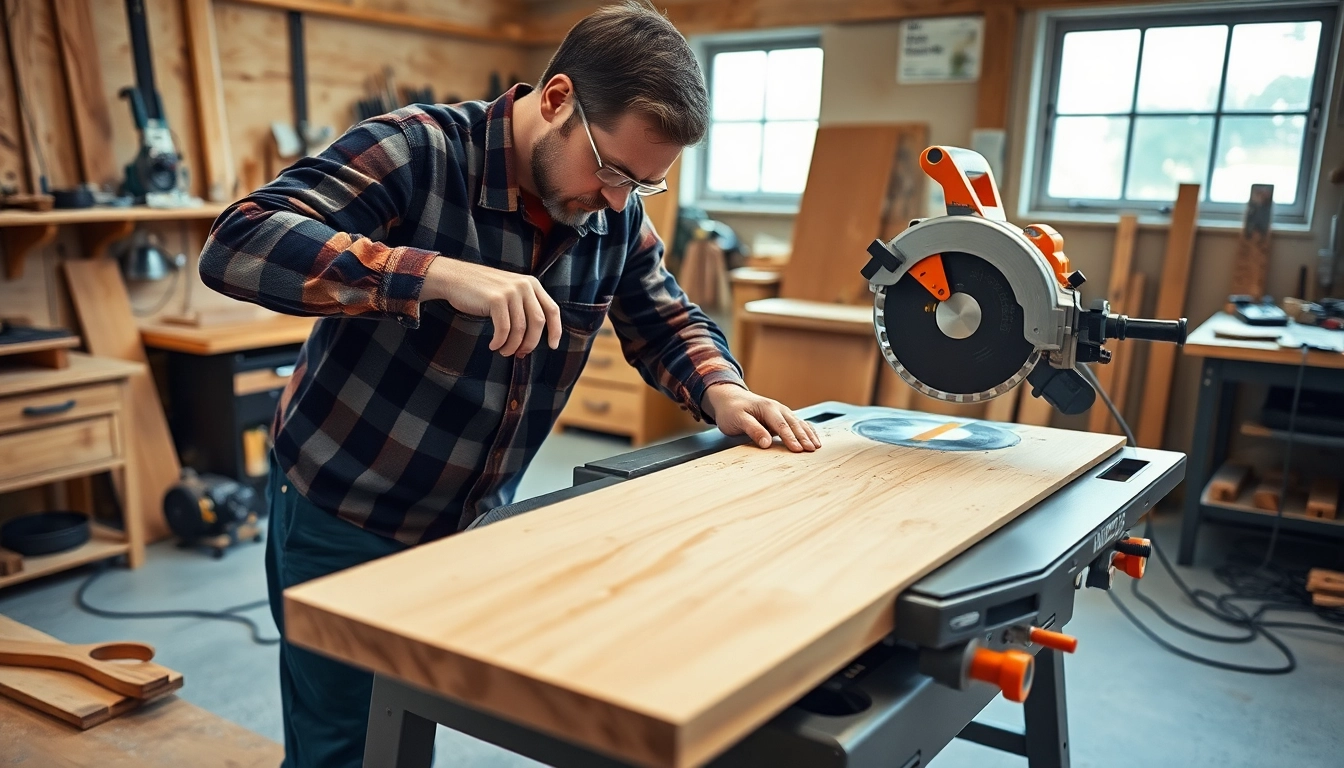
Understanding the Table Saw and Miter Saw Combo
What is a Table Saw and Miter Saw Combo?
A table saw and miter saw combo is a versatile woodworking tool that combines two essential pieces of equipment into one. The table saw is designed for making straight cuts in large sheets of material, while the miter saw focuses on making precise angled cuts. This combination enables woodworkers, both amateurs and professionals, to handle a wide array of tasks efficiently without the need for multiple machines, saving both space and cost in their workshops.
Key Features to Look For
When choosing a table saw and miter saw combo, it is crucial to evaluate several key features to ensure it meets your specific needs. Look for the following:
- Blade Capacity: The size of the blade significantly affects the material thickness and types you can cut. A larger diameter blade can handle thicker materials.
- Motor Power: A more powerful motor allows for smoother cuts through denser woods and plywood.
- Bevel Capacity: This dictates the range of the miter angle for making angled cuts. It is essential for woodworking projects that require precision.
- Table Size: A larger table offers better support for larger workpieces, ensuring stability while cutting.
- Portability: If you plan to move the tool, consider its weight and whether it has wheels or a collapsible design.
Benefits of Using a Combo Tool
Utilizing a table saw and miter saw combo presents numerous advantages that make it an appealing choice for various woodworking projects:
- Space Efficiency: Combining two tools into one saves valuable workshop space, particularly beneficial for those with limited areas.
- Cost Savings: Investing in a combo tool can be more economical than purchasing two separate machines.
- Streamlined Workflow: Switching between a table saw and a miter saw becomes easier, enhancing productivity as you can tackle diverse cuts more fluidly.
- Versatility: These combos often come with accessories that make them suitable for various cutting tasks, from crosscuts to rip cuts.
Choosing the Right Table Saw and Miter Saw Combo
Assessing Your Project Needs
Before purchasing a table saw and miter saw combo, carefully consider the types of projects you plan to undertake. If you’re primarily working on large furniture pieces or extensive remodeling, you’ll need more powerful and larger tools. For smaller craft projects, a compact model might suffice. Additionally, take into account the materials you frequently work with, as this influences motor power and blade type selection.
Comparing Brands and Models
The market for table saw and miter saw combos is filled with various brands and models, each boasting unique features and pricing. Research different companies and read reviews from existing customers. Brands that have established themselves due to reliability and customer service should be prioritized. It’s beneficial to compare factors such as warranty, customer support, and availability of replacement parts and accessories.
Budgeting for Your Investment
Determine your budget for a table saw and miter saw combo before you start your search. While it may be tempting to go for the cheapest option, it’s wise to consider long-term benefits versus upfront costs. A higher-quality tool may require a larger initial investment but will likely last longer and provide better performance over time. Include additional costs such as blades and accessories in your budget plan.
Setting Up Your Table Saw and Miter Saw Combo
Workspace Preparation
Properly setting up your workspace is essential for safe and effective use of your table saw and miter saw combo. Ensure you have a clear, flat surface with ample room for maneuvering materials. Consider the layout of your workshop to facilitate efficient movement between the two saw functions. It’s also helpful to have good lighting to enhance visibility of your cuts and workspace.
Safety Measures and Practices
Safety should always be a top priority. Equip your workspace with proper safety gear, including goggles, ear protection, and dust masks. Familiarize yourself with the tool’s safety features, such as blade guards and safety switches. Always follow recommended practices such as keeping hands clear of the blade and never operating the saw without proper training or supervision.
Essential Tools and Accessories
In addition to your combo tool, certain accessories will enhance your woodworking experience. These may include:
- Extra Blades: Specialized blades for different cutting tasks can significantly improve efficiency and quality.
- Push Sticks: These help maintain a safe distance from the blade while guiding material through the saw.
- Clamps: Secure pieces of wood to your table, allowing for safer and more accurate cuts.
- Dust Collectors: Keeping your workspace clean is crucial for both safety and the longevity of your tools.
Mastering Techniques with Your Combo Saw
Basic Cutting Techniques
To get the most from your table saw and miter saw combo, mastering basic cutting techniques is essential. Start with simple cuts and gradually practice more complex ones to build confidence. Basic techniques include making rip cuts, crosscuts, and angled cuts. Each technique will require different setups and adjustments to the saw, thus ensuring that you understand the tool’s functions thoroughly.
Advanced Cutting Techniques
For those looking to expand their capabilities beyond basic cuts, advanced techniques such as jointing, dados, and compound angles can take your woodworking to the next level. Familiarize yourself with settings that allow for bevel cuts on your miter saw, and practice on scraps before tackling your main projects. Continuous learning through resources, classes, or video tutorials can significantly benefit your skillset.
Maintenance for Longevity
Regular maintenance is critical to ensure your table saw and miter saw combo remains in peak condition. Keep the blades sharp and free from rust, and clean the saw after each use to prevent dust buildup. Regularly check alignment and make necessary adjustments to maintain accuracy. Additionally, refer to the manufacturer’s maintenance guidelines for scheduling detailed inspections and servicing when required.
Common Issues and Solutions
Common Problems Faced
Like any tool, users of a table saw and miter saw combo may encounter common problems. These can include blade misalignment, excessive vibrations, dull blades, or irregular cutting angles. Identifying these problems promptly can save time and improve the quality of your work. Always refer to the user manual for troubleshooting advice suited for your specific model.
Troubleshooting Tips
If you notice issues while cutting, first verify that the blade is secure and like new. Ensure every adjustment aligns with the specifications outlined by the manufacturer. If vibrations occur, check if the machine is level, and tighten any loose components. Regular maintenance will also help limit these issues from developing over time.
When to Seek Professional Help
If you encounter significant problems that you cannot resolve, or if your combo saw starts showing symptoms of severe mechanical failure, it’s time to seek professional help. Knowing when to ask for assistance can save costs in potential repairs later on and ensure your saw is functioning optimally. Consult the manufacturer’s service center or find a qualified technician specializing in power tools.
By understanding the intricacies of using a table saw and miter saw combo, you can enhance your woodworking capabilities and unlock new possibilities. Revisiting the specs, maintenance, and techniques of these tools will further streamline your projects, ensuring each cut is precise and tailored to meet your needs. For more resources and additional tools tailored to your woodworking requirements, check out Mister Worker.