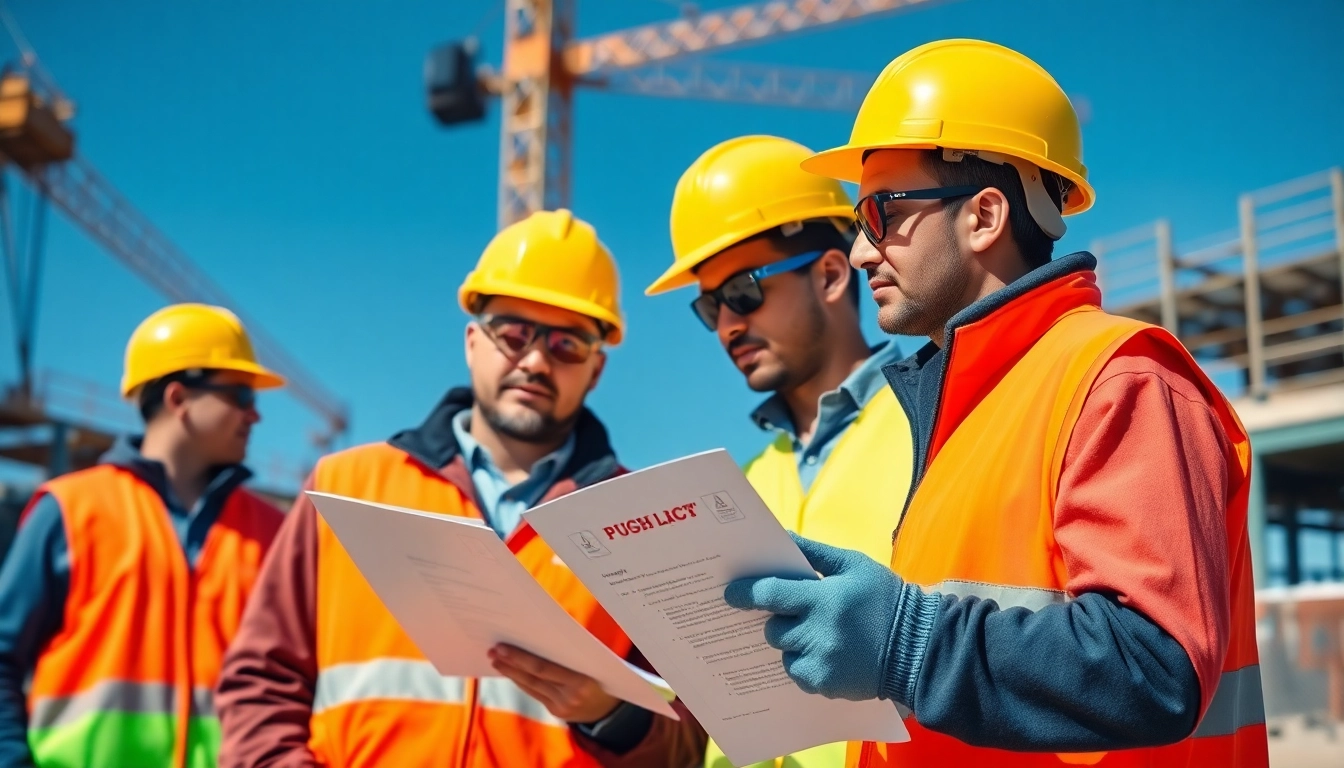
The Essential Functions of a New York Construction Manager
The role of a New York Construction Manager encompasses a wide array of responsibilities that are crucial for ensuring that construction projects run smoothly, efficiently, and on time. These professionals serve as the backbone of construction projects, overseeing every phase from initial planning to final inspection. Understanding their essential functions helps clarify how construction managers significantly contribute to project success.
Understanding Project Management
Project management in construction includes the planning, execution, and closure of projects efficiently while meeting specific requirements and constraints. A New York Construction Manager must utilize various project management methodologies, such as Agile or Waterfall, to tailor their approach based on the unique dynamics of each construction project. They must assess project scope, identify timelines, allocate resources, and establish protocols to adhere to all project milestones effectively.
Coordination with Contractors and Clients
Another vital function involves effective coordination with both contractors and clients. A successful New York Construction Manager liaises between these parties, ensuring that client expectations are met while also considering the contractor’s capabilities and limitations. Regular updates and transparent communication are essential components of this coordination, allowing for real-time changes in project scope and timelines without jeopardizing the overall objective.
Ensuring Compliance and Safety
Compliance with local, state, and federal regulations is non-negotiable in the construction industry. A New York Construction Manager is charged with the responsibility of ensuring that all work complies with safety codes, zoning laws, and environmental regulations. Their ability to install safety protocols and conduct regular site inspections significantly reduces the risk of accidents and legal complications, fostering a safer work environment for all stakeholders.
Key Skills Required for Effective Management
Leadership and Team Building
Effective leadership is paramount for a New York Construction Manager. This role requires not only directing teams but also inspiring them and fostering collaboration among various stakeholders. Team building activities and strategies enhance communication, trust, and a shared vision among crew members, resulting in improved productivity and morale.
Budgeting and Financial Management
Budgeting involves not only understanding project costs but also strategic financial management. A New York Construction Manager should possess the expertise to create and manage budgets while accommodating fluctuations in material costs, labor rates, and unexpected expenditures. Utilizing specialized financial software can aid in tracking project expenditures and maintaining financial transparency with clients.
Technical Knowledge of Construction Processes
A comprehensive understanding of construction processes, materials, and technologies is vital for a New York Construction Manager. This technical knowledge enables them to make informed decisions, troubleshoot issues on-site, and implement innovative practices that enhance project outcomes. Continuous professional development through seminars or certifications also helps to stay abreast of industry advancements.
Challenges Faced by New York Construction Managers
Navigating Complex Regulations
New York’s construction industry is often challenged by intricate regulatory frameworks. Navigating these requirements demands a thorough understanding of both local laws and state regulations, which can change frequently. Construction managers must remain diligent, ensuring that all project aspects comply with the latest standards, which sometimes requires collaboration with legal experts in construction law.
Managing Tight Deadlines
Tight deadlines are a constant in the construction industry. A New York Construction Manager must develop contingency plans and alternative strategies to maintain momentum during delays caused by weather, labor disputes, or supply chain issues. Effective time management and prioritization techniques are crucial to keep projects on track and meet deadlines without sacrificing quality.
Dealing with Unexpected Issues
Construction projects often encounter unexpected problems that can threaten timelines, budgets, or safety. A New York Construction Manager must be adept at problem-solving and decision-making under pressure. This involves analyzing issues, consulting with team members, and implementing solutions quickly to avoid project derailment. Building resilience and flexibility into project plans can also mitigate the impact of unforeseen challenges.
Best Practices for New York Construction Management
Implementing Technology Solutions
The adoption of technology has transformed the construction landscape. Utilizing project management software, Building Information Modeling (BIM), and cloud collaboration tools can streamline processes and enhance communication across teams. A New York Construction Manager should champion the implementation of these technologies, ensuring team members are trained to maximize their utility, resulting in increased efficiency and reduced errors.
Enhancing Communication Among Stakeholders
Clear and consistent communication is crucial for successful project management. A New York Construction Manager should develop a comprehensive communication plan that defines lines of reporting, meeting schedules, and updates for all stakeholders. Employing tools like daily reports and digital dashboards can facilitate transparency and allow everyone involved to stay informed of progress and changes.
Maintaining Quality Control
Quality control is vital for any construction project. A New York Construction Manager should implement systematic quality checks at each project phase, ensuring compliance with design specifications and industry standards. Engaging qualified inspectors and utilizing standardized testing procedures can uphold quality, which ultimately leads to reduced rework and enhanced client satisfaction.
Future Trends in Construction Management
Sustainability and Eco-Friendly Practices
The trend toward sustainability in construction is gaining momentum. A New York Construction Manager must prioritize eco-friendly practices such as utilizing renewable materials, optimizing energy efficiency in designs, and implementing waste reduction strategies. Leading projects that emphasize sustainability can foster a positive industry image and meet increasing client demand for environmentally responsible construction.
Embracing Automation and AI
Automation and Artificial Intelligence (AI) are reshaping construction management. By harnessing these technologies, a New York Construction Manager can enhance project monitoring, improve safety through predictive analytics, and streamline administrative tasks. As automation tools evolve, construction managers must continuously explore opportunities to integrate them into their workflows for increased productivity.
Building a Skilled Labor Force
The construction industry often faces labor shortages, highlighting the need for skilled workers. A New York Construction Manager should prioritize workforce development by fostering partnerships with vocational schools and training programs. Investing in training and mentorship not only builds a competent workforce but also improves project outcomes and boosts team morale.
Frequently Asked Questions
What qualifications do I need to be a construction manager?
Most construction managers hold at least a bachelor’s degree in construction management or a related field. Additional certifications, such as Project Management Professional (PMP), can enhance credibility.
How do construction managers ensure safety on-site?
Construction managers implement safety protocols, conduct regular site inspections, and provide safety training to workers to mitigate risks and ensure compliance with safety regulations.
What is the average salary for a construction manager in New York?
The average salary for a construction manager in New York varies based on experience and project size, but it typically ranges from $80,000 to over $120,000 annually.
What technology is most beneficial in construction management?
Project management software, Building Information Modeling (BIM), and mobile communication tools are among the most beneficial technologies for enhancing efficiency and collaboration.
How can construction managers adapt to changes in regulations?
Staying informed about regulatory changes through continuous education, attending industry conferences, or collaborating with legal experts can help construction managers adapt effectively.