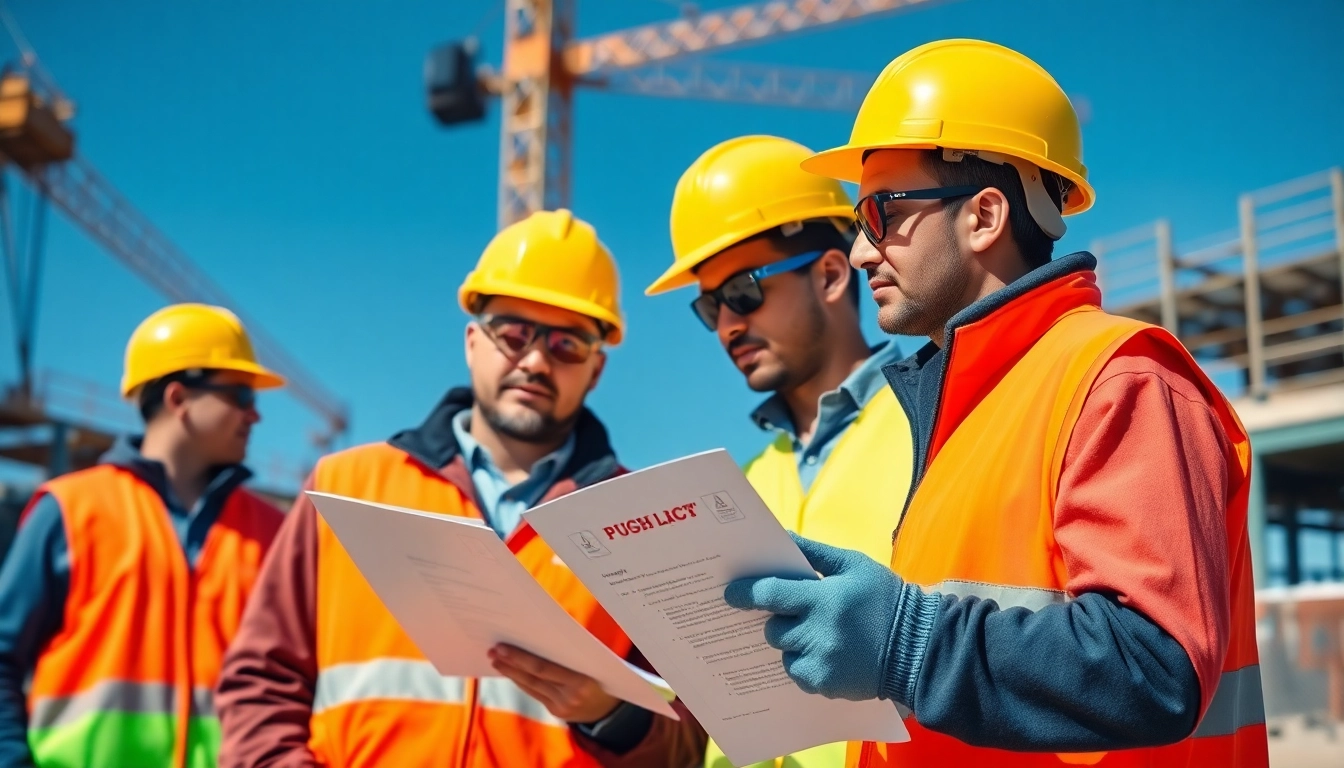
Understanding Construction Safety Programs
What Are Construction Safety Programs?
Construction safety programs are structured procedures and practices put in place to ensure the well-being of all personnel involved in construction activities. These programs include guidelines, training, and protocols designed to prevent accidents and mitigate hazards on construction sites. The foundation of these programs is based on risk assessment, training modules, and compliance with regulatory requirements. Organizations adopt construction safety programs to foster a culture of safety and ensure workers return home safely at the end of each day.
Importance of Construction Safety Programs
The significance of construction safety programs cannot be overstated. They serve multiple purposes: protecting employees from injuries, complying with legal requirements, reducing downtime, and enhancing worker morale. By implementing such programs, organizations can reduce the risk of accidents and their associated costs, which can include healthcare expenses, legal fees, and lost productivity. Furthermore, a robust safety program can help in building a positive reputation for companies in the construction industry, thus making them more appealing to potential clients and employees.
Key Components of Effective Programs
An effective construction safety program comprises several key components: risk assessment, training and education, clear communication protocols, monitoring and reporting, and compliance with the relevant laws and regulations. Each section plays a crucial role in fostering a safe and efficient work environment. Risk assessments identify potential threats, while training prepares employees to respond to those hazards. Adequate communication ensures that all staff are aware of safety protocols, and regular inspections help to maintain compliance and ensure continuous improvement.
Identifying Hazards in Construction
Common Hazards on Construction Sites
Construction sites pose numerous hazards, making it paramount to identify them early on to prevent accidents. Common hazards include slips, trips, and falls, caused by uneven surfaces or clutter. In addition, workers are often exposed to height-related risks, heavy machinery, electrical hazards, and harmful substances such as asbestos or chemicals. Recognizing these hazards is the first step in developing strategies to mitigate the risks associated with them.
Creating a Hazard Identification Process
A systematic approach to hazard identification can significantly reduce the risk of accidents. Begin by conducting routine site inspections, engaging employees in safety discussions, and utilizing checklists. Involving workers can provide insights into potential hazards they may encounter during their daily tasks. Implementing a reporting system allows employees to communicate hazards they notice in real-time, fostering a culture of proactive safety reporting within the organization.
Utilizing Technology for Hazard Reporting
Advancements in technology have transformed how hazards are reported and managed in construction. Mobile apps can facilitate easy reporting of safety concerns, while drones can be used to survey large sites for potential hazards. Furthermore, virtual reality (VR) can be employed for training purposes, providing immersive experiences that help employees understand the dangers they may face. Using technology to bolster hazard identification increases efficiency and enhances overall safety measures.
Training and Education in Safety Protocols
Types of Training for Employees
Training is the backbone of successful safety programs. Employees should undergo orientation training upon hiring, which includes an overview of the company’s safety programs and emergency procedures. Specific training sessions for operating machinery, handling hazardous materials, and working from heights are also essential. Regular refresher courses ensure that staff remain up-to-date with safety protocols and new regulations, thus maintaining their knowledge and vigilance on site.
Creating an Ongoing Education Plan
A comprehensive ongoing education plan involves continuous training sessions, workshops, and updates to ensure all workers are equipped with the latest information regarding safety practices. Sessions might cover incident case studies, evolving best practices, and the introduction of new technologies. Cultivating an ongoing education culture fosters a safety-first mentality among employees and encourages them to remain engaged in their roles concerning workplace safety.
Evaluating Training Effectiveness
It is crucial to assess the effectiveness of training programs periodically. Methods can include quizzes and surveys, on-site performance assessments, and analyzing incident reports for trends to see if there are lingering safety issues. Feedback from employees can also yield valuable insights into the training process, identifying areas needing improvement. By ensuring training remains relevant and impactful, organizations can achieve substantial safety advancements.
Monitoring and Improving Safety Programs
Regular Safety Audits and Inspections
Regular audits are essential for maintaining the integrity of construction safety programs. These audits assess compliance with safety regulations and company procedures, identify weaknesses, and provide recommendations for improvement. Inspections should be both scheduled and unscheduled to obtain a holistic view of safety practices. Documenting findings from audits enables organizations to track improvements over time and maintain focus on safety initiatives.
Collecting Feedback from Workers
Employee feedback is a critical factor in the success of safety programs. Engaging workers in discussions about safety protocols not only empowers them but also allows management to identify potential gaps in safety measures. Establishing an anonymous feedback system can encourage more open communication without fear of repercussions. Through this channel, management can receive more candid insights and address concerns promptly.
Using Data to Enhance Safety Programs
Utilizing data analytics is a powerful strategy for improving construction safety programs. By examining incident logs, training completion rates, and audit results, organizations can look for patterns that highlight recurring issues. Incorporating this data into performance metrics helps to evaluate the efficacy of existing safety measures. Proactive adjustments based on evidence can lead to benefits, including reduced accidents and improved compliance rates.
Compliance and Regulations in Construction Safety
Understanding Industry Regulations
Every construction site must comply with various regulations and standards set forth by governing bodies, such as the Occupational Safety and Health Administration (OSHA). Understanding these legal frameworks is critical to maintaining a safe work environment. Regulations often dictate specific measures that must be taken concerning hazards, reporting requirements, and necessary employee training programs. Staying informed about these regulations is pivotal for organizational leaders and safety managers alike.
Ensuring Compliance within the Team
Ensuring compliance requires a team effort. Regular training and information sharing are paramount to ensure that every employee understands their responsibilities concerning safety protocols. Managers should lead by example, demonstrating adherence to safety measures and promoting a culture of accountability within the workforce. Routine checks and reminders about compliance requirements can also help solidify employees’ commitment to safety practices.
Consequences of Non-Compliance
The ramifications of non-compliance with safety regulations can be severe. Organizations risk facing hefty fines, legal actions, and increased insurance premiums for violations. However, the costliest consequence is the potential for injuries or fatalities, which can profoundly affect morale and productivity. By prioritizing compliance through diligent safety programs, companies can avoid these outcomes and create a work environment where safety is everyone’s responsibility.
FAQs
What is the primary goal of construction safety programs?
The primary goal is to reduce workplace accidents and promote a safe working environment for all employees.
How often should safety training be conducted?
Safety training should be conducted regularly, with a focus on new employees and ongoing training for existing staff.
What are common hazards identified in construction?
Common hazards include falls, electrical risks, equipment-related injuries, and exposure to hazardous materials.
Why is monitoring essential for safety programs?
Monitoring helps identify potential gaps in safety, ensures compliance with regulations, and promotes continuous improvement.
What should be included in safety audits?
Safety audits should review procedures, compliance check, employee feedback, and potential hazards present on-site.