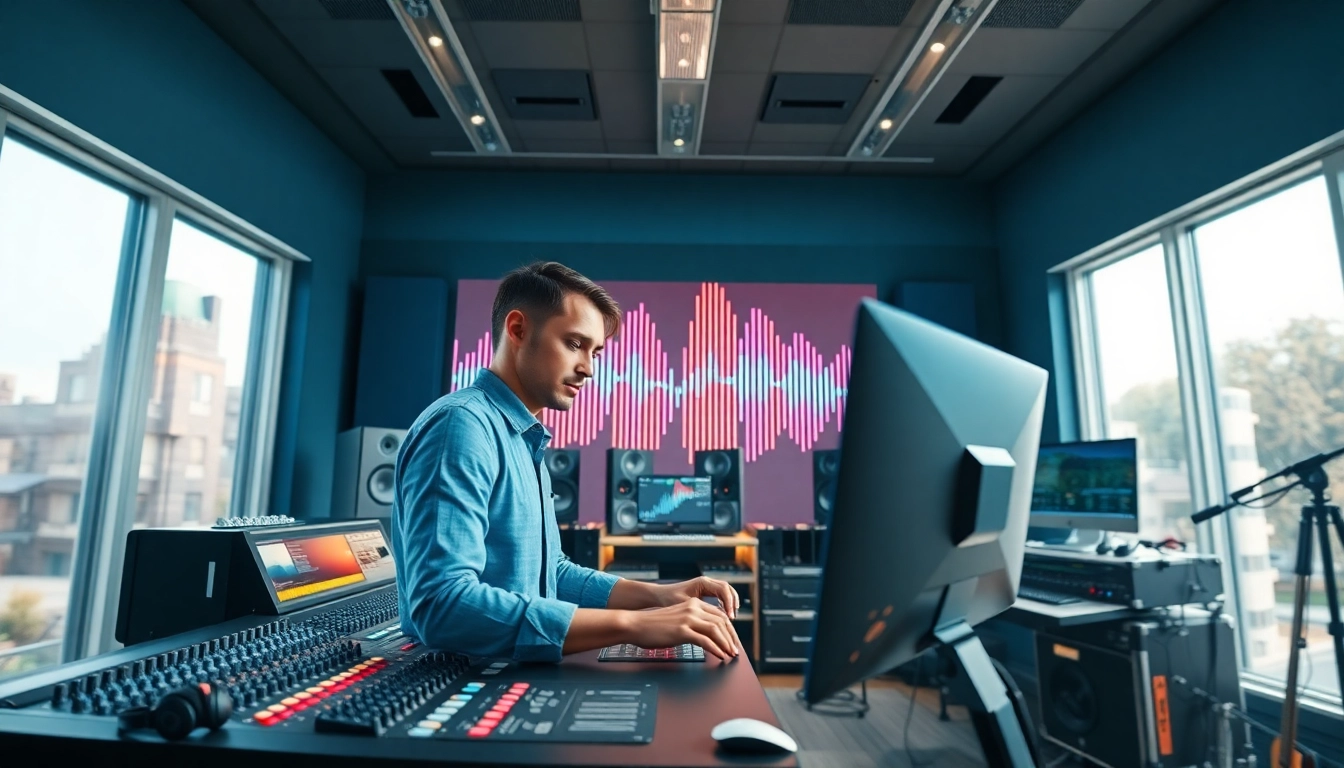
Understanding Online Mastering Basics
Defining Online Mastering and Its Importance
Online mastering represents the final step in music production, where audio tracks are polished to achieve a professional sound. This process involves fine-tuning the overall quality of your music before distribution, ensuring that it translates well across different listening platforms and devices. The significance of online mastering cannot be understated, as it not only enhances audio clarity and balance but also serves as the last opportunity to adjust the dynamics of each track. Utilizing expert services through online platforms has revolutionized the accessibility and affordability of mastering for artists and producers alike. This democratization of high-quality audio services means that even independent musicians can achieve radio-ready tracks with ease, showcasing the essential role of online mastering in today’s music industry.
How Online Mastering Differs from Traditional Techniques
Traditional mastering is often conducted in a professional studio with specialized equipment and acoustically treated rooms. While these facilities provide a controlled environment, online mastering takes advantage of advancements in technology, allowing audio engineers to work remotely using sophisticated software. Online mastering services often utilize cloud-based platforms that enable artists to upload their tracks easily and receive feedback almost instantly.
Another key distinction lies in the cost and accessibility. Traditional mastering can be prohibitively expensive, making it less accessible for emerging artists. In contrast, online mastering typically offers tiered pricing options, catering to various budgets without sacrificing quality. Furthermore, the transparency of the online process allows artists to engage more actively, viewing their projects in real-time and providing input on revisions.
Key Benefits of Online Mastering Services
Embracing online mastering provides several compelling advantages:
- Cost-Effectiveness: Online services are often more affordable than studio-based mastering.
- Accessibility: Artists can access professional mastering services from anywhere in the world.
- Speed: The process can be significantly quicker, allowing for faster turnaround times.
- Transparency: Artists have the opportunity to oversee the mastering process, providing input as needed.
- Collaboration: Many online mastering platforms enable collaboration between artists and mastering engineers, fostering a creative partnership.
Essential Tools for Online Mastering
Software Solutions: Choosing the Right DAW
When it comes to online mastering, selecting the appropriate Digital Audio Workstation (DAW) is paramount. A DAW is the backbone of any audio mastering workflow, providing the tools necessary for editing, mixing, and mastering audio files. Popular choices among mastering engineers include:
- Pro Tools: Known for its precision and versatility, Pro Tools remains a favorite in professional studios.
- Logic Pro X: A robust option for Mac users, Logic Pro X offers numerous mastering plug-ins and features.
- Adobe Audition: Ideal for those integrating video with audio, Adobe Audition provides a user-friendly interface and powerful features.
- Reaper: A cost-effective alternative with a flexible pricing model and extensive functionality.
Hardware Essentials for Quality Output
While online mastering emphasizes software, quality hardware is equally important. Essential tools include:
- Studio Monitors: Invest in high-quality studio monitors that accurately reproduce sound, allowing for precise adjustments.
- Audio Interfaces: A reliable audio interface ensures optimal sound quality and reduces latency during the mastering process.
- Headphones: A good pair of studio headphones are crucial for critical listening; they help detect subtle issues in the mix.
Common Plugins Used in Online Mastering
Plugins are indispensable for achieving desired sound quality during the mastering process. Some commonly used plugins include:
- Equalizers: Essential for tonal balance, equalizers help shape the frequency response of the track.
- Compressor: A compressor controls dynamics, smoothing out the peaks and bringing cohesiveness to the overall sound.
- Limiting Plugins: Limiters ensure that the audio doesn’t exceed 0 dB, preventing distortion and clipping.
- Reverb: Adding subtle reverb can help create a sense of space in the mix, enhancing the listening experience.
Best Practices for Effective Online Mastering
Preparing Tracks for Mastering
Before sending tracks for mastering, it’s crucial to prepare them properly. Here are key steps to consider:
- Able to Provide Final Mixes: Ensure that guide mixes are balanced and all instruments are clearly defined.
- Leave Headroom: Aim for a peak level of around -6 dB to avoid distortion during the mastering process.
- Check for Unwanted Noise: Remove any unnecessary sounds or artifacts that could detract from the final output.
Techniques for Achieving Balanced Sound
Achieving a well-balanced sound is the hallmark of successful mastering. Here are a few techniques to ensure balance:
- Use Reference Tracks: Comparing your mix to professionally mastered tracks can provide a benchmark for tonal balance and loudness.
- Adjust Frequencies: Focus on frequency adjustments to enhance clarity and fullness without overcrowding elements.
- Utilize Stereo Width: Employ tools to create depth and width, ensuring a spacious final mix.
Common Mistakes to Avoid in Online Mastering
Mastering can be fraught with pitfalls. Avoiding common mistakes can ensure a polished final product:
- Over-Compression: Excessive compression can lead to a lifeless mix; use it sparingly to retain dynamics.
- Ignoring the Mix: If the distribution of elements in the mix is uneven, mastering won’t fix it. Always address mix issues first.
- Failing to Listen on Multiple Systems: Test your final master on different devices to ensure its effectiveness across all platforms.
Case Studies: Successful Online Mastering Projects
Analyzing Popular Tracks Mastered Online
Online mastering has produced countless successful tracks that resonate with a global audience. For instance, consider a breakout indie artist who utilized an online mastering service to perfect their debut album. By incorporating feedback from their mastering engineer during the process, the artist achieved a sound that stood out against their mainstream peers, leading to significant streaming success.
Lessons Learned from Renowned Audio Engineers
By analyzing case studies from top audio engineers who transitioned from traditional to online mastering, several key lessons emerge:
- Flexibility is Key: Adapting to new technologies can improve efficiency and creativity.
- Active Collaboration: Engaging with artists creates a better understanding of their vision, resulting in more aligned final products.
- Continual Learning: Keeping abreast of industry developments enhances skill sets and enhances mastering capabilities.
Impact of Online Mastering on Emerging Artists
Emerging artists have notably benefited from the growth of online mastering services. With affordable options available, many new musicians can produce tracks that equal those of established artists. Feedback and support provided by online mastering engineers have empowered these artists, allowing them to explore diverse sounds and styles without the financial strain typically associated with traditional mastering processes.
Future Trends in Online Mastering
The Role of AI in Online Mastering
Artificial intelligence is poised to change the landscape of online mastering. Some platforms are beginning to incorporate AI technology for tasks such as mastering adjustments and analyzing frequency responses. While AI cannot replace the human touch in mastering, it can assist engineers by providing quick analyses of tracks and suggesting potential adjustments. This not only streamlines the workflow but also enhances efficiency in producing quality sound.
Predictions for Online Audio Mastering Evolution
The future of online mastering is set to evolve alongside advancements in technology. Anticipated trends include:
- Increased Customization: More platforms will offer tailored services to meet the unique needs of each artist.
- Broader Accessibility: As technology becomes more affordable, online mastering will become increasingly accessible to artists globally.
- Integration with Other Services: Mastering services may increasingly integrate with distribution platforms, creating a seamless experience for artists.
How to Stay Updated with Industry Changes
Staying informed about advancements in online mastering and the broader music industry is crucial. Here are strategies to remain updated:
- Follow Industry Blogs and Podcasts: Regularly consume content from trusted industry sources to stay abreast of trends.
- Participate in Webinars: Engaging in online sessions led by industry experts can provide invaluable insights and knowledge.
- Network with Professionals: Building connections within the industry can facilitate knowledge-sharing and learning opportunities.
Frequently Asked Questions
What is online mastering?
Online mastering is the process of finalizing a music track through digital platforms, allowing artists to enhance audio quality remotely.
How does online mastering differ from traditional mastering?
Online mastering is often more accessible and cost-effective than traditional techniques, utilizing technology for faster turnarounds.
Are online mastering services worth it?
Yes, they provide professional results and are particularly accessible for independent artists seeking quality sound without a hefty price tag.
What should I prepare before sending tracks for online mastering?
Ensure your mixes are balanced, leaving headroom, and check for unwanted noise or artifacts before submission.
How does AI influence online mastering?
AI technology aids in analyzing tracks, suggesting adjustments, and streamlining the mastering process, enhancing efficiency and quality.