
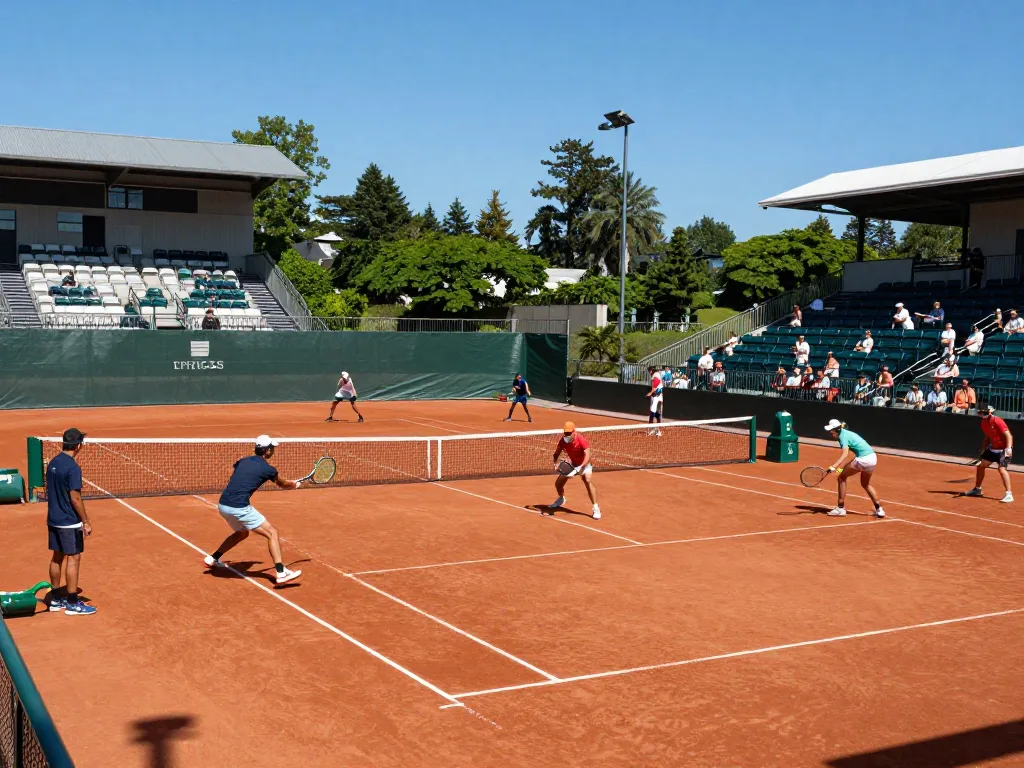
The Benefits of HybridClay Courts
In the realm of tennis, the quality of the court surface can profoundly impact the game, influencing everything from player performance to enjoyment. This is where HybridClay comes into play. By integrating time-honored European clay traditions with cutting-edge technology, HybridClay courts provide a superior playing experience that is both authentic and practical. This article will explore the numerous benefits of HybridClay courts, including their unique features, long-term durability, and environmentally friendly characteristics.
What Makes HybridClay Unique?
HybridClay surfaces stand apart from traditional clay courts through a unique blend of materials and design strategies. Unlike natural clay, which can be heavily impacted by weather conditions, HybridClay is engineered for resilience and performance. This innovative surface mimics the characteristics of authentic clay while addressing common challenges that come with it, such as maintenance and accessibility. Players enjoy the same natural slide, precise ball bounce, and tactile response as they would on traditional red clay courts, all while being assured that the court can withstand various weather conditions.
Long-Term Durability and Performance
The durability of HybridClay is a standout benefit. With a lifespan exceeding 30 years, backed by a 12-year guarantee, facilities can invest in HybridClay with confidence. This longevity is supported by its construction, designed to resist wear and tear from both frequent play and environmental factors. Moreover, HybridClay has received recognition from the International Tennis Federation (ITF), categorizing it as a 2-Star surface. This classification ensures that it meets international standards for performance, making it a preferred choice among leading tennis clubs and facilities worldwide.
Environmentally Friendly Features
As sustainability becomes increasingly crucial in all industries, HybridClay rises to the occasion. The design of HybridClay courts significantly reduces water consumption, promoting an eco-friendlier approach to maintaining tennis facilities. This sustainability extends to the materials used, which are 100% recyclable, encouraging a shift towards greener alternatives in sports infrastructure. Tennis clubs and communities can greatly benefit from a solution like HybridClay that not only enhances playability but also supports environmental stewardship.
Installation Process of HybridClay
Transitioning to a HybridClay court involves a straightforward process that ensures minimal disruption to ongoing activities. This adaptability is a significant advantage, allowing for installation over existing court surfaces without the need for extensive groundwork. Below, we outline the essential steps involved in installing HybridClay, ensuring a seamless transformation for your facility.
Preparing Existing Court Surfaces
The first step in the installation process is to prepare the existing court surface. This involves assessing the condition of the current playing area, whether it be asphalt, concrete, or an outdated clay surface. Essential repairs must be made to ensure a flat and stable base, as HybridClay will rely on this foundation for optimal performance. Any debris, cracks, or irregularities should be addressed to create the best possible surface for the new installation.
Step-by-Step Installation Guide
The installation of HybridClay typically follows these steps:
- Base Preparation: Ensure the surface is clean, level, and free of defects.
- Layer Application: Layer the HybridClay material uniformly across the court, maintaining the proper thickness as recommended.
- Compaction: Compact the surface to achieve the desired firmness and stability.
- Finishing Touches: Add any necessary lines, markings, or additional features, ensuring compliance with regulation standards.
- Curing: Allow the court to cure adequately, following the manufacturer’s recommendations before opening for play.
Once the installation is completed, facilities can enjoy a newly transformed court that meets the needs of players and management alike.
Post-Installation Maintenance Tips
One of the remarkable benefits of HybridClay is its minimal maintenance requirements. Unlike traditional clay courts that need routine rolling and watering, HybridClay courts are designed to retain their functionality with far less effort. However, there are a few best practices to extend the life and performance of your HybridClay surface:
- Conduct regular inspections to identify any wear or issues early.
- Remove any debris or organic matter immediately to prevent surface damage.
- Monitor drainage systems to ensure optimal performance, especially after heavy rainfalls.
- Utilize the CourtKeeper™ system for efficient maintenance, which is specifically designed for HybridClay surfaces.
Client Testimonials and Success Stories
The impact of HybridClay on various facilities is best illustrated through the experiences of those who have made the switch. Clients have voiced their satisfaction across multiple dimensions, from playability to maintenance cost reductions. Below, we highlight a few testimonials that showcase the real-life benefits of HybridClay courts.
Real-Life Experiences with HybridClay
Facilities that have adopted HybridClay have been quick to note the advantages. For instance, one club noted, “We are extremely pleased with our HybridClay™ courts. They look and play just like traditional clay, yet the maintenance has been reduced by nearly 90%. Even after the heaviest rain, our members can step onto the courts immediately.” Such feedback underscores the court’s reliability and performance, even in adverse conditions.
Before and After Comparisons
Facilities have also reported substantial visual and functional improvements following the installation of HybridClay. For example, a facility in Halden shared, “The HybridClay™ courts have transformed our facility. They provide excellent playability, uniform bounce, and a true clay-court feel.” This transformation not only enhances the player experience but also elevates the overall aesthetic of the facility.
Feedback from Professional Players
Professional players who have had the chance to experience HybridClay courts often comment on how closely the surface mimics the feel of traditional clay. This feedback is vital, as it underscores HybridClay’s commitment to delivering an authentic playing experience while minimizing maintenance and cost. Feedback from athletes highlights the advanced playability features of HybridClay, making it a top choice for clubs aiming to provide first-rate facilities.
Cost-Effectiveness of HybridClay Solutions
In the world of sports infrastructure, budget considerations are paramount. HybridClay courts not only enhance the game but do so in a way that is cost-effective over the long term. The following sections explore how HybridClay can lead to significant savings and value for facilities.
Reducing Long-Term Maintenance Costs
One of the most immediate advantages of HybridClay is the drastic reduction in maintenance costs compared to traditional clay or hard courts. With estimates suggesting up to 90% savings in upkeep, clubs can allocate resources more effectively elsewhere. This financial benefit is a game-changer for many facilities, allowing for enhanced investment in other areas such as player development and community outreach programs.
Comparing HybridClay with Traditional Clay Courts
When comparing HybridClay to traditional clay courts, the differences in cost, maintenance, and performance become evident. Traditional clay requires constant watering, rolling, and extensive upkeep, which can add up to significant annual costs. In contrast, HybridClay allows for an authentic clay experience with far less expenditure, making it a smarter investment for facilities aiming to enhance player experience without breaking the bank.
Budgeting for HybridClay Installation
Investing in HybridClay requires careful budgeting, but the long-term savings make it worthwhile. Facilities should consider factors like the existing court condition, anticipated usage, and overall financial goals when planning the switch. While the initial installation may have upfront costs that may seem high, the reduction in maintenance and longevity of the surface generally compensates for these expenses. Engaging with professionals during the budgeting and planning phases can ensure that all potential costs are accounted for.
Future Trends in Tennis Court Surfaces
The realm of sports surfaces is evolving rapidly, and HybridClay is at the forefront of this transformation. As we approach 2026, ongoing trends are shaping how facilities plan their infrastructure to meet the needs of players and the environment.
Emerging Technologies and Innovations
Advancements in materials science and engineering are paving the way for new types of sports surfaces that integrate sustainability with performance. HybridClay is leading this movement, combining traditional clay attributes with innovative drainage systems and eco-friendly materials. Expect to see more developments that synergize environmental responsibility with high-performance standards in the coming years.
Projected Industry Developments for 2026
As we move further into the decade, industry experts anticipate a growing demand for surfaces that provide flexibility and adaptability. The popularity of HybridClay demonstrates a trend toward solutions that offer players the quality they expect while also being mindful of maintenance and environmental impact. This shift will likely see more clubs adopting similar technologies to remain competitive and sustainable.
HybridClay’s Role in Shaping the Future of Tennis
HybridClay is not just a solution for today; it represents the future direction of tennis court surfaces. For more information, Green clay tennis court offers valuable insights. With players increasingly valuing eco-friendliness alongside performance, HybridClay positions itself as a frontrunner in providing a solution that meets these dual demands. As awareness and demand for sustainable practices grow, HybridClay will likely play a pivotal role in shaping the future of tennis facilities worldwide.