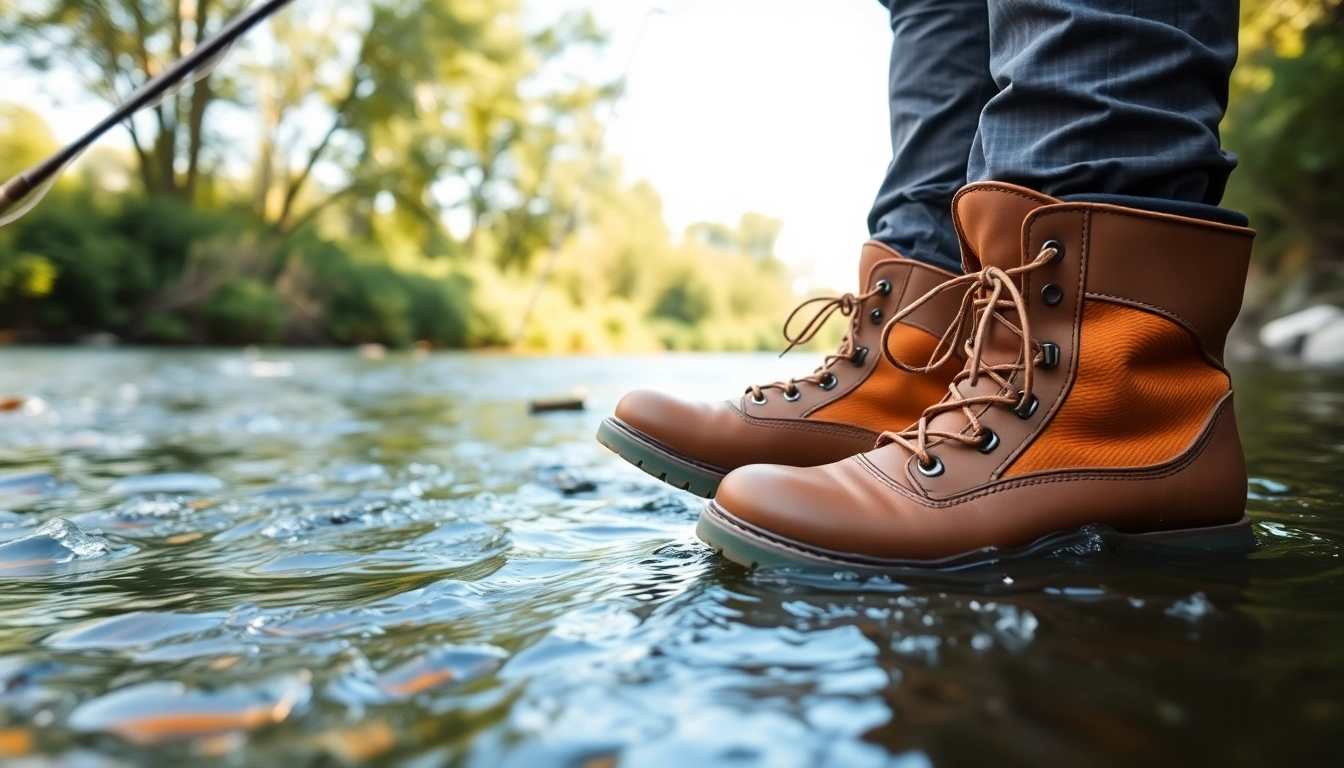
Understanding Fly Fishing Boots
Definition and Purpose
Fly fishing boots are specialized footwear designed to provide traction, comfort, and protection for anglers while wading in various water conditions. Unlike standard hiking boots, these boots are tailored to the unique challenges presented by wet and often slippery environments. They feature critical design elements that enhance stability and support, enabling anglers to maintain balance amidst varying streambed and water conditions. The right fly fishing boots can significantly improve an angler’s experience, making ventures into more remote fishing spots safer and more enjoyable.
Importance of Proper Fit
Choosing a pair of fly fishing boots that fit well is paramount to both performance and comfort. A proper fit allows for effective blood circulation, which can keep your feet warm even in cold water. Additionally, boots that are too tight can cause blisters, while overly loose boots can lead to instability and a higher chance of slips and falls. A well-fitted boot enhances your ability to maneuver in water while ensuring maximum protection against sharp rocks or underwater obstructions.
Key Features to Look For
When selecting fly fishing boots, several key features should be taken into account:
- Traction: Look for Vibram soles or similar materials that offer excellent grip on wet and slippery surfaces.
- Support: Ankle support is crucial, particularly in uneven terrains, so opt for boots with reinforced ankle collars.
- Breathability: Materials that offer ventilation can help keep your feet dry and comfortable during long hours of fishing.
- Waterproofing: Consider options with waterproof membranes to keep feet dry in various aquatic conditions.
- Weight: Lightweight designs enhance mobility, making it easier to walk long distances while fishing.
Types of Fly Fishing Boots
Wading Boots vs. Other Options
Fly fishing boots primarily fall into two categories: wading boots and other types that may either offer versatility or specialized design. Wading boots are specifically engineered for entry into water, often with heightened grip and protective features. On the other hand, hybrid options, such as boots designed for both hiking and fishing, are more versatile, but may not offer the same level of waterproof capabilities or traction as dedicated wading boots.
Material Choices Explained
When it comes to materials for fly fishing boots, anglers generally have two options: synthetic and leather. Synthetic materials are lightweight, often quick-drying, and provide excellent breathability. Conversely, leather boots tend to be more durable and offer better insulation against cold water, making them ideal for colder climates. Each material has its place, depending on the fishing environment and personal preference.
Best Uses for Each Type
Wading boots are best suited for freshwater fishing where dragging your feet through streams and rivers is common. They excel in scenarios involving swift water flow or rocky riverbeds. On the contrary, multi-purpose boots may be suitable when transitioning from land to water is frequent or if lightweight and portability are your main concerns. Anglers should consider the specific conditions they expect to encounter when selecting their footwear.
How to Choose the Right Fly Fishing Boots
Assessing Your Needs
Your fishing habits will greatly influence your choice of fly fishing boots. If you frequently wade in deeper waters or rocky stream beds, consider boots with higher ankle support and superior traction. Alternatively, if your fishing style includes walking long distances, prioritize weight and comfort in your selection. Always consider the environments you’ll be fishing in, as conditions can dictate the right boot choice.
Budget Considerations
While high-quality fly fishing boots can be an investment, it’s essential to consider your budget realistically. Prices can range significantly based on materials, brand reputation, and features. Setting a reasonable budget will help you narrow your options without compromising safety or comfort. Remember that investing in a durable, well-fitting pair may save you from purchasing replacements in the near future.
Compatibility with Other Gear
When buying your fly fishing boots, consider how they will pair with the rest of your fishing gear. The compatibility with your waders, for instance, is critical. Ensure that the boots will give you a snug fit with any wader systems you opt for, as this will affect your overall performance in the water. Additionally, ensure they fit well with your other outdoor footwear, as seasons change and activities diversify.
Maintenance and Care of Fly Fishing Boots
Cleaning Techniques
Proper cleaning of your fly fishing boots can extend their lifespan and ensure that they function optimally. After each fishing trip, rinse them thoroughly to remove mud, sand, or any corrosive substances that may settle in the material. Avoid using harsh chemicals; instead, opt for mild soaps and warm water. Regular cleaning prevents the buildup of smells and maintains the integrity of the waterproof barriers in your boots.
Storage Recommendations
Storing your fly fishing boots properly ensures they remain in good condition when not in use. After cleaning, dry them in a cool, shaded area away from direct sunlight or heat sources. For added protection, consider storing them with boot trees or stuffing them with newspaper to maintain their shape. Avoid folding or bending them as this may cause cracks or unnecessary wear.
Extending the Lifespan of Your Boots
To maximize the lifespan of your fly fishing boots, it is crucial to take precautionary measures. Consider applying sprays that protect against water and stains. Inspect your boots regularly for wear and tear, focusing on seams and soles. Early detection of damage can help you address issues before they escalate, ensuring your boots stay reliable for years to come.
FAQs about Fly Fishing Boots
What should I look for in sizing?
When sizing fly fishing boots, ensure you allow space for thick socks, check width for comfort, and walk around to assess overall fit. A snug fit without pinching is ideal.
Can I use regular hiking boots for fly fishing?
While regular hiking boots can provide comfort, they typically lack the essential traction and water resistance required for effective wading, making specialized fly fishing boots a better choice.
How do I clean my fly fishing boots?
Rinse your boots with fresh water post-use to remove dirt or debris. Use mild soap and a brush for deeper cleaning, avoiding harsh chemicals that can damage the material.
Are there waterproof options available?
Yes, many fly fishing boots come with waterproof membranes like Gore-Tex that keep feet dry while allowing breathability. Always check product specifications for waterproof features.
How do I store my boots properly?
Store your boots in a cool, dry place away from direct sunlight. Dry them thoroughly after cleaning, and consider using boot trees to maintain their shape during storage.