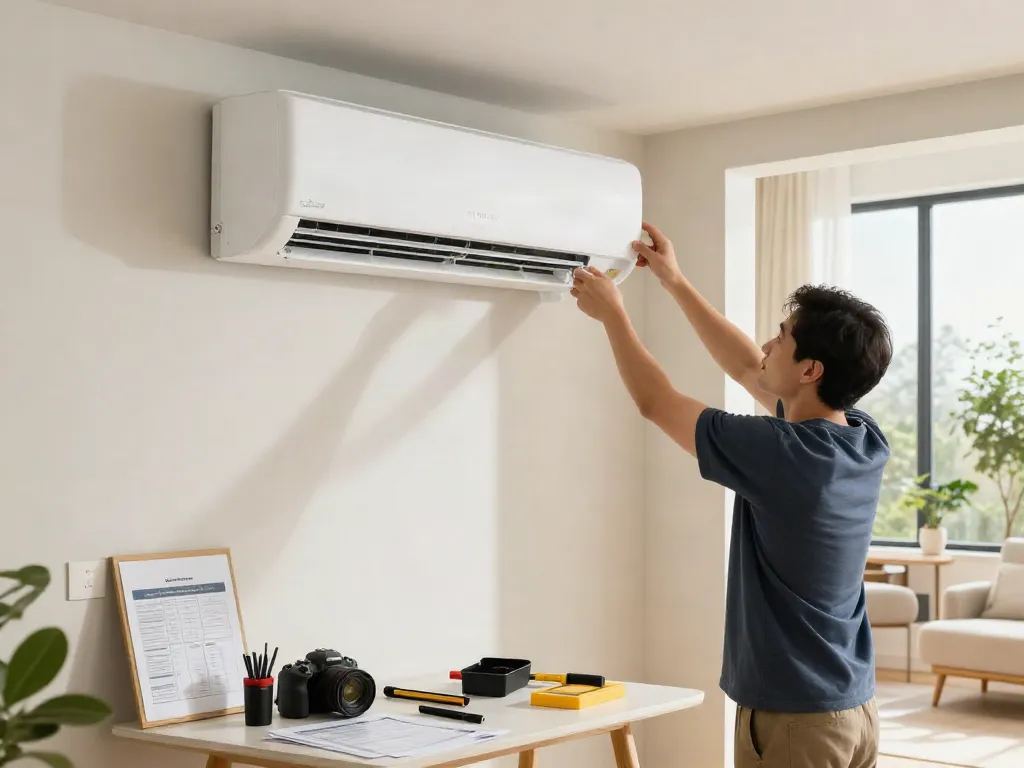
Understanding 18000 BTU Mini Split Systems
The 18000 BTU mini split is a versatile and efficient solution for residential and commercial spaces needing effective climate control. These systems offer both heating and cooling capabilities, making them ideal for a variety of applications, from urban apartments to spacious family homes. With their ability to provide tailored comfort for specific rooms, they are at the forefront of modern HVAC technology. When exploring options, 18000 btu mini split units come highly recommended due to their performance and energy efficiency.
What is an 18000 BTU Mini Split?
An 18000 BTU mini split system is a type of ductless air conditioning or heating unit that operates without the need for traditional ductwork. The term "BTU," which stands for British Thermal Units, measures the cooling or heating power of the system. An 18000 BTU system can effectively cool or heat spaces approximately 800 to 1250 square feet, depending on various factors including insulation and room layout. Mini splits consist of two main components: an outdoor unit and one or more indoor units that distribute air throughout the space.
Key Features and Benefits
- Energy Efficiency: Mini splits offer high Seasonal Energy Efficiency Ratios (SEER), often ranging from 16 to over 20, which translates to lower electricity costs.
- Flexible Installation: The absence of ductwork allows for flexible placement of indoor units, fitting into various room designs.
- Zone Control: Each indoor unit can be independently controlled, enabling tailored comfort in different areas.
- Reduced Noise Levels: Mini split systems operate more quietly than traditional HVAC systems, as the noisy compressor is situated outdoors.
How Does It Compare with Other Cooling Options?
Compared to traditional window units or central air systems, 18000 BTU mini splits offer several advantages. Window units can be noisy and inefficient, while central systems require extensive ductwork and can lead to energy losses. Mini splits, with their direct air handling capabilities, eliminate such inefficiencies. Furthermore, the zoning feature of mini splits allows for personalized comfort across different rooms, which is not possible with central air conditioning systems.
Choosing the Right 18000 BTU Mini Split for Your Home
Evaluating Room Size and Requirements
When selecting an 18000 BTU mini split, it’s crucial to consider the square footage of the area you intend to cool or heat. For spaces up to 1250 square feet, an 18000 BTU system provides optimal performance. Evaluate the insulation of your space, the height of ceilings, and if there are large windows that could affect temperature control. Consulting with HVAC professionals can also ensure that you choose the right size and model for your specific needs.
Energy Efficiency Ratings Explained
Energy efficiency ratings such as SEER and EER (Energy Efficiency Ratio) indicate how efficiently a cooling system operates. The higher the rating, the more efficient the unit is, leading to lower energy costs. For mini splits, a SEER rating above 15 is considered high-efficiency, while models reaching 20 and above are the best in class. Always check these ratings before making a purchase, as they significantly impact long-term operational costs.
Common Brands and Models to Consider
Several reputable brands manufacture 18000 BTU mini splits, including Mitsubishi, LG, Daikin, and Senville. Each brand offers unique features and varying levels of efficiency, along with warranty options that can affect your decision. It's advisable to compare customer reviews and professional ratings when selecting the best model for your home.
Installation Process for 18000 BTU Mini Splits
DIY Installation vs. Professional Help
While some homeowners may consider installing an 18000 BTU mini split themselves, it's often best to hire a professional. An incorrect installation can lead to inefficiencies, safety hazards, or voided warranties. Professional installers understand the nuances of refrigerant lines, electrical connections, and proper placement for optimal airflow. If you do choose the DIY route, ensure you thoroughly research local codes and regulations.
Essential Tools and Safety Tips
If embarking on a DIY installation, you will need tools such as a drill, level, pipe wrenches, and electrical testers. Always prioritize safety by wearing protective eyewear and gloves, and ensure that any electrical work is performed following local electrical codes. It’s also crucial to adequately support the outdoor unit on a stable surface to prevent any damage during operation.
Step-by-Step Installation Guide
- Choose the location for both the indoor and outdoor units based on optimal air flow and accessibility.
- Mount the indoor unit on the wall using brackets, ensuring it’s level.
- Drill a hole for the refrigerant lines and electrical wiring.
- Install the outdoor unit by securing it on a pedestal or concrete slab.
- Connect the refrigerant lines, drain line, and electrical wiring according to the manufacturer’s instructions.
- Test the system to ensure that it is functioning properly before sealing any access points.
Maintenance Tips for Optimal Performance
Regular Cleaning and Filter Replacement
To ensure the longevity and efficiency of your 18000 BTU mini split, regular maintenance is crucial. Clean the filters monthly or as needed, especially during peak usage seasons. Dust and dirt buildup can reduce airflow and system efficiency. Additionally, clean the outdoor unit of any debris and consider scheduling professional maintenance at least once a year.
Signs Your 18000 BTU Mini Split Needs Service
Keep an eye out for signs that your mini split may require servicing. These include unusual noises, inconsistent temperatures across different zones, or decreased airflow. If you notice any refrigerant leaks or if the system frequently cycles on and off, it's time to contact a professional technician to diagnose and fix the issue.
Extending the Lifespan of Your System
A well-maintained 18000 BTU mini split can last up to 15-20 years. Regular maintenance practices, such as cleaning coils and ensuring unobstructed airflow, play an essential role in maximizing the lifespan of your system. Investing in high-quality filters and using the system in accordance with the manufacturer's guidelines are further ways to ensure lasting performance.
Future Trends in Mini Split Technology for 2026
Smart Home Integration and AI Features
As technology advances, mini split systems are increasingly incorporating smart home features. This includes remote control via apps, voice control through platforms like Alexa or Google Assistant, and programmable settings that adjust based on occupancy. AI features can also optimize energy usage based on user habits, leading to even greater efficiency and comfort.
Emerging Energy Standards and Regulations
With growing environmental concerns, energy efficiency regulations are expected to tighten. By 2026, new energy standards will likely require higher SEER ratings than current models. This means consumers will benefit from improved energy efficiency and reduced operational costs, but may also need to invest in newer models that comply with these upgraded standards.
Predicted Market Growth and Consumer Preferences
The mini split market is projected to grow significantly, driven by consumer preferences for efficient and adaptable cooling solutions. Homeowners are increasingly looking for systems that offer versatility, such as multi-zone capabilities, which allow for different areas of the home to be conditioned independently. This trend towards personalized comfort is expected to shape the development of new products in the coming years.
What is the ideal room size for an 18000 BTU mini split?
The ideal room size for an 18000 BTU mini split is typically between 800 to 1250 square feet. However, the actual performance can vary based on factors such as insulation, layout, and climate.
How energy-efficient are 18000 BTU mini splits?
18000 BTU mini splits are highly energy-efficient, with SEER ratings often above 15. The efficiency can lead to significant savings on energy bills compared to less efficient systems.
What are the common issues faced with 18000 BTU mini splits?
Common issues include refrigerant leaks, poor airflow, and electrical problems. Regular maintenance can help mitigate these problems and extend the life of the unit.
Can I install an 18000 BTU mini split myself?
While DIY installation is possible, it often requires specialized knowledge to ensure proper setup and avoid voiding warranties. Professional installation is generally recommended for best results.
What maintenance is required for my mini split system?
Regular maintenance includes cleaning filters, clearing debris from the outdoor unit, and scheduling annual professional inspections to maintain optimal performance.